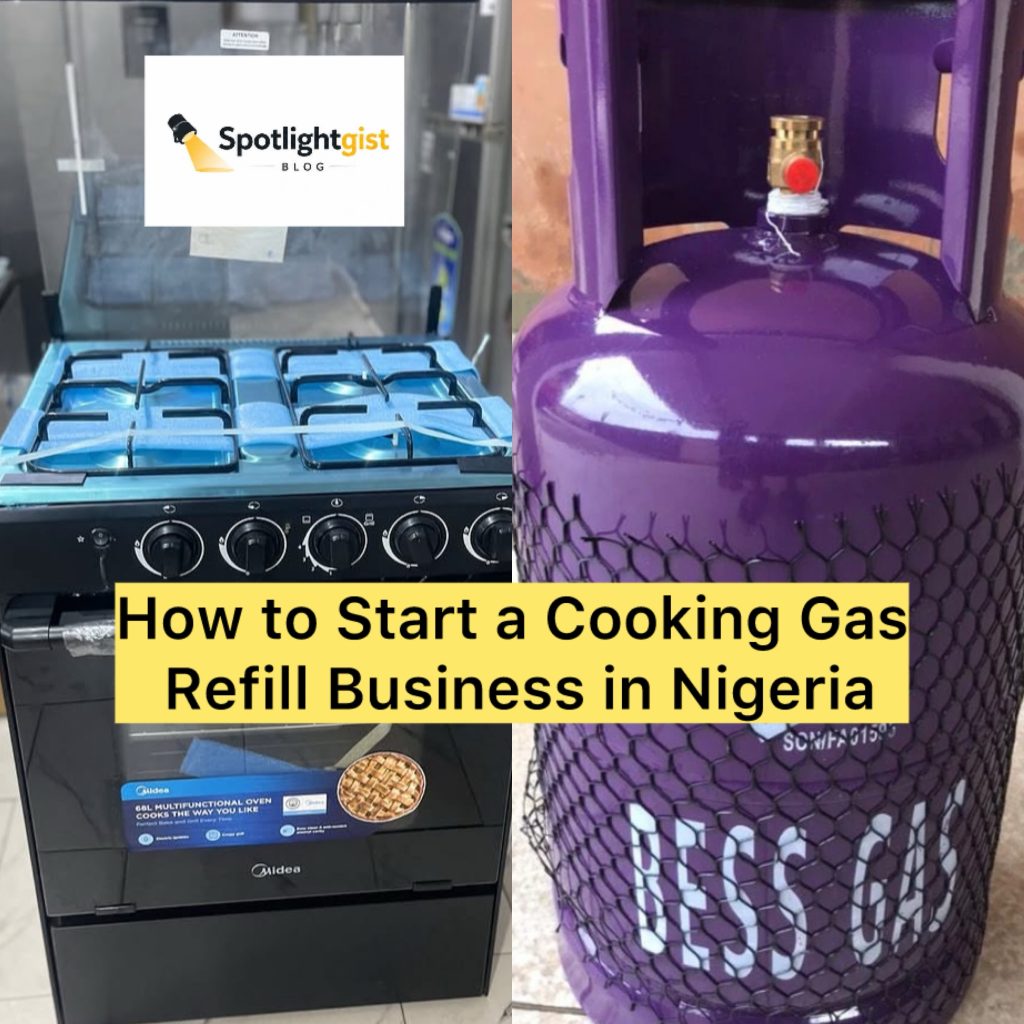
As the cost of traditional cooking fuels continues to rise and more Nigerians embrace cleaner energy solutions, the cooking gas refill business has become one of the fastest-growing ventures in the country’s energy sector. Liquefied Petroleum Gas (LPG), commonly known as cooking gas, is now the preferred choice for millions of households, restaurants, hotels, bakeries, and food vendors because it is cleaner, faster, and more environmentally friendly than firewood or kerosene.
This growing demand presents a significant opportunity for entrepreneurs who want to build a profitable and sustainable business. Whether you plan to operate a small neighbourhood refill point or establish a large gas plant serving an entire community, the potential for consistent income is substantial when the business is properly managed.
However, because LPG is a highly flammable product, success in this business depends not only on investment but also on strict adherence to safety standards, regulatory requirements, and quality customer service.
In this comprehensive guide, you’ll learn everything you need to know about starting a cooking gas refill business in Nigeria, including startup costs, licensing requirements, equipment, safety measures, marketing strategies, and profit potential.
Why the Cooking Gas Business Is Profitable in Nigeria
The demand for cooking gas has increased steadily due to urbanisation, population growth, and greater awareness of cleaner cooking methods.
Some reasons this business remains profitable include:
- Growing number of households using LPG
- High customer retention and repeat purchases
- Daily cash flow from refill sales
- Expanding commercial demand from restaurants and hotels
- Opportunity to sell accessories such as cylinders, burners, regulators, and hoses
- Increasing government support for cleaner cooking energy
With the right location and consistent supply, a gas refill business can attract customers every day.
Types of Cooking Gas Businesses
Before investing, decide which business model suits your budget and long-term goals.
- Gas Refill Shop
You purchase LPG in bulk from licensed suppliers and refill customers’ cylinders.
- Mini Gas Plant
A larger operation with bulk storage tanks and dispensing equipment capable of serving a wider customer base.
- LPG Distribution Business
Supply cooking gas to refill stations, commercial users, and retailers.
- Gas Accessories Store
Sell LPG cylinders, regulators, hoses, burners, cookers, and related safety equipment alongside refill services.
Many successful entrepreneurs combine gas refilling with accessory sales to increase revenue.
Skills You Need
Although formal education is not mandatory, understanding safety procedures and business management is essential.
Useful skills include:
- Customer service
- Basic bookkeeping
- Inventory management
- Safety awareness
- Equipment handling
- Sales and marketing
- Risk management
Training your staff on LPG safety should be a top priority.
Step 1: Conduct Market Research
Before investing, study your target market.
Find answers to these questions:
- How many gas refill stations operate nearby?
- What prices do competitors charge?
- Is demand growing in your area?
- Are there estates, restaurants, or businesses that use LPG regularly?
- Is bulk gas supply readily available?
Understanding the local market helps you choose the right location and pricing strategy.
Step 2: Prepare a Business Plan
Your business plan should include:
- Business objectives
- Estimated startup costs
- Equipment requirements
- Target customers
- Marketing strategy
- Operating expenses
- Revenue projections
- Risk management plan
A well-prepared business plan can also help you obtain financing if needed.
Step 3: Register Your Business and Obtain Required Approvals
Register your business with the appropriate authorities before commencing operations. Depending on the scale of your business, you may also need to obtain relevant operational approvals and comply with safety regulations issued by the appropriate government agencies.
Because LPG is a regulated product, always ensure your facility meets the required safety standards before opening to the public.
Step 4: Choose a Suitable Location
Location is one of the most important factors in this business.
A good location should have:
- Easy road access
- Adequate ventilation
- Sufficient space
- Distance from major fire hazards
- Good visibility
- Easy access for delivery trucks
- High residential or commercial population
Avoid locating your business in areas that do not meet applicable safety requirements or where emergency access is limited.
Step 5: Purchase the Required Equipment
The equipment you buy will depend on the size of your cooking gas refill business. Investing in high-quality equipment improves safety, efficiency, and customer confidence.
Some of the essential equipment includes:
- LPG storage tank (for mini gas plants)
- LPG dispensing pump
- Electronic filling scale
- Digital weighing scale
- Gas leak detector
- Pressure gauges
- LPG hoses and valves
- Fire extinguishers
- Sand buckets
- Water storage tank
- Generator or backup power supply
- CCTV cameras (recommended)
- Cash register or Point-of-Sale (POS) system
- Safety warning signs
- Office furniture
Always purchase equipment that meets recognised safety and quality standards.
Estimated Startup Cost in Nigeria (2026)
The capital required depends on the type and size of the business you intend to operate.
Small Gas Refill Shop
Estimated Capital: ₦5 million – ₦12 million
This may cover:
- Shop rent or lease
- Basic dispensing equipment
- Initial LPG stock
- Business registration
- Fire safety equipment
- Working capital
Mini Gas Plant
Estimated Capital: ₦20 million – ₦80 million
This budget can cover:
- LPG storage tank
- Dispensing machines
- Civil construction
- Safety installations
- Generator
- Initial gas supply
- Delivery and installation
- Staff recruitment
Large Commercial LPG Plant
Estimated Capital: ₦100 million and above
A large-scale operation may include:
- Multiple storage tanks
- High-capacity dispensing systems
- Office complex
- Delivery trucks
- Warehouse
- Advanced safety systems
- Bulk LPG inventory
The exact cost varies depending on land prices, equipment specifications, and your location.
Source of LPG Supply
A reliable supplier is essential for uninterrupted operations.
Possible supply sources include:
- Licensed LPG depots
- Major oil and gas marketing companies
- Approved LPG distributors
- Bulk gas terminals
Before choosing a supplier, compare pricing, delivery schedules, product availability, and reliability.
Safety Measures Every Gas Business Must Follow
Safety should always be your highest priority because LPG is highly flammable.
Important safety practices include:
- Train all staff on LPG handling procedures.
- Install fire extinguishers in accessible locations.
- Inspect hoses, valves, and pumps regularly.
- Display emergency contact numbers.
- Keep the premises clean and free of combustible materials.
- Install “No Smoking” signs around the facility.
- Ensure good ventilation.
- Conduct routine safety inspections.
- Maintain emergency response procedures.
- Service equipment according to the manufacturer’s recommendations.
A strong safety culture protects your customers, employees, and business.
Daily Business Operations
Your daily routine may include:
- Receiving LPG deliveries
- Inspecting equipment
- Refilling customer cylinders
- Monitoring inventory levels
- Recording daily sales
- Performing safety checks
- Cleaning the premises
- Attending to customer enquiries
Keeping accurate records helps you monitor profitability and plan for growth.
Who Are Your Target Customers?
Your customer base can include:
- Households
- Restaurants
- Hotels
- Fast-food outlets
- Bakeries
- Schools
- Hospitals
- Catering businesses
- Food vendors
- Small businesses using LPG for production
Providing friendly service and accurate cylinder filling can encourage repeat business and referrals.
How to Market Your Cooking Gas Business :
Even with a good location, effective marketing can help you attract more customers.
Consider these strategies:
- Install a large, visible signboard.
- Create business pages on Facebook, Instagram, and TikTok.
- Register your business on Google Business Profile.
- Offer fast and courteous service.
- Introduce customer loyalty or referral rewards where practical.
- Partner with nearby estates, restaurants, and catering businesses.
- Sell quality LPG cylinders and accessories.
- Encourage satisfied customers to leave reviews.
- Maintain consistent opening hours.
Trust and reliability are major factors that influence where customers choose to refill their gas.
Profit Potential :
The cooking gas refill business can generate steady income because many households and businesses purchase LPG regularly. Your actual earnings will depend on factors such as your location, customer traffic, operating expenses, and the prevailing market price of LPG.
Sample Profit Illustration
Assume your station refills 500 kg of LPG per day.
- Average selling price: ₦1,500 per kg
- Daily Sales: 500 kg × ₦1,500 = ₦750,000
Estimated daily operating expenses:
- Cost of LPG purchase
- Staff salaries
- Electricity or generator fuel
- Transportation
- Equipment maintenance
- Rent and utilities
- Miscellaneous expenses
Estimated operating cost: ₦650,000
Estimated Daily Profit: ₦100,000
If the business operates for 26 days in a month:
- Estimated Monthly Sales: ₦19,500,000
- Estimated Monthly Profit: ₦2,600,000
Note: These figures are for illustration only. Actual profits vary depending on LPG market prices, competition, operating costs, and sales volume.
Additional Sources of Income :
Apart from refilling cooking gas, you can increase your earnings by selling:
- LPG cylinders
- Gas regulators
- Gas hoses
- Table-top gas cookers
- Standing gas cookers
- Gas burners
- Cylinder valves
- Safety gloves
- Fire extinguishers
- Gas leak detectors
These products can provide additional revenue and improve customer convenience.
Common Challenges
Although profitable, the business also comes with challenges.
Some of the most common include:
- Fluctuating LPG prices
- High startup capital
- Strict regulatory compliance
- Safety risks
- Equipment maintenance costs
- Inconsistent product supply
- Competition
- Rising transportation costs
- Power supply issues
Planning ahead and maintaining strong supplier relationships can help reduce these risks.
Mistakes to Avoid :
Many new entrepreneurs make costly mistakes that affect profitability.
Avoid the following:
- Ignoring safety procedures
- Using substandard equipment
- Buying LPG from unverified suppliers
- Poor customer service
- Inaccurate cylinder filling
- Neglecting equipment maintenance
- Poor financial record keeping
- Choosing an unsuitable location
- Operating without the necessary approvals
A reputation for safety and honesty is one of your greatest business assets.
Tips for Growing Your Business :
As your customer base grows, consider expanding your operations by:
- Opening additional refill outlets
- Supplying LPG to restaurants and hotels
- Selling more gas accessories
- Introducing home or business delivery services where legally permitted
- Investing in larger storage capacity
- Partnering with estate developers
- Using digital payment options
- Promoting your business through social media and local advertising
Growth should always be accompanied by continued investment in safety and staff training.
Is the Cooking Gas Refill Business Worth It?
Yes. The cooking gas refill business remains one of the most promising opportunities in Nigeria’s energy sector. As more households and businesses switch to LPG for cooking, demand is expected to remain strong.
However, success depends on more than just capital. Entrepreneurs who prioritize safety, comply with regulations, provide accurate refills, and deliver excellent customer service are more likely to build a trusted and profitable business over the long term.
The questions people frequently asked :
- How much does it cost to start a cooking gas refill business in Nigeria?
A small refill shop may require ₦5 million to ₦12 million, while a mini gas plant can require ₦20 million or more, depending on equipment, location, and storage capacity.
- Is the cooking gas business profitable?
Yes. Because LPG is a household necessity for many Nigerians, a well-managed refill business can generate consistent daily sales and recurring customers.
- Can I start with a small capital?
Yes. Some entrepreneurs begin with a small refill outlet or by selling LPG accessories before expanding into a larger operation, provided they comply with all applicable regulations.
- What licenses or approvals are required?
Requirements depend on the type and scale of your business. Before operating, ensure you register your business and obtain all approvals required by the relevant regulatory authorities.
- What safety equipment is essential?
Essential items include fire extinguishers, leak detectors, safety signs, properly maintained hoses and valves, and other equipment appropriate for LPG handling.
The Final Thoughts :
Starting a cooking gas refill business in Nigeria can be a rewarding long-term investment if approached with proper planning, adequate capital, and a strong commitment to safety. With the increasing adoption of LPG across the country, entrepreneurs who operate responsibly and maintain high service standards are well-positioned to benefit from the industry’s continued growth.
Focus on choosing a strategic location, sourcing LPG from reputable suppliers, investing in quality equipment, complying with all regulatory requirements, and building lasting customer trust. These steps will help create a sustainable business capable of generating steady income for many years.
I know after reading this article your plan to start up this business will be more inspiring
And I believe this article motivated all the readers to start up the business immediately.