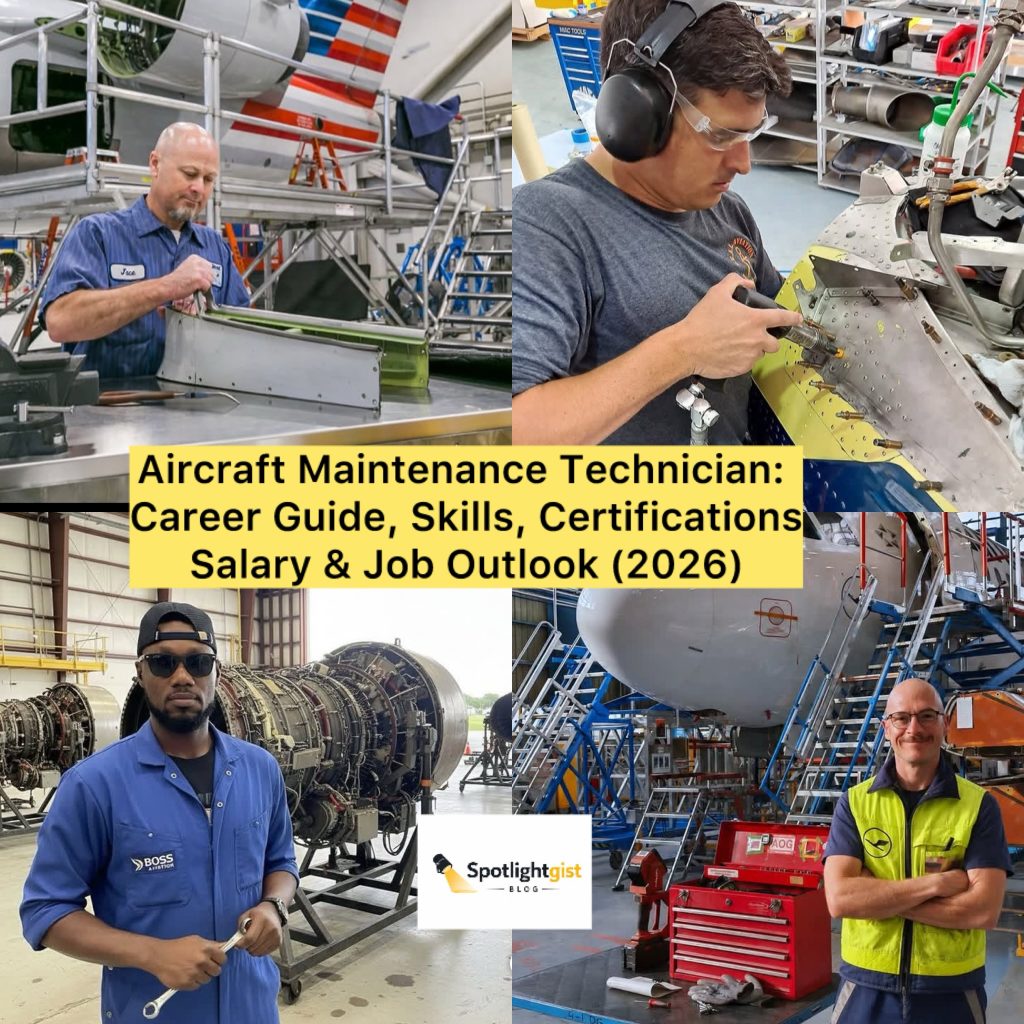
Understanding the Profession, Responsibilities and Skills Required
The Aviation Experts Who Keep Aircraft SafeEvery successful flight depends on more than pilots, air traffic controllers and modern aircraft technology. Behind every aircraft that safely leaves and returns to an airport is a team of highly trained professionals responsible for ensuring that every component functions correctly.
Among these professionals are Aircraft Maintenance Technicians (AMTs) — specialists who inspect, repair, test and maintain aircraft to meet strict safety and performance requirements.
While passengers experience the excitement of air travel, Aircraft Maintenance Technicians work behind the scenes examining engines, electrical systems, landing gear, flight controls, avionics and structural components. Their expertise helps prevent mechanical failures, reduce operational risks, and maintain the confidence that millions of travelers place in the aviation industry every day.
As airlines continue expanding their fleets and aircraft become more advanced with digital systems, composite materials, and advanced propulsion technologies, the demand for skilled maintenance professionals continues to grow worldwide.
For individuals interested in engineering, technology, problem-solving and aviation, becoming an Aircraft Maintenance Technician offers a career path that combines technical expertise with global opportunities.
What Is an Aircraft Maintenance Technician?
An Aircraft Maintenance Technician is an aviation professional responsible for maintaining aircraft in safe operating condition through inspections, repairs, troubleshooting and scheduled servicing.
Unlike general mechanics who work on automobiles or industrial equipment, aircraft technicians specialize in machines where precision and accuracy are critical. Every maintenance procedure must follow approved technical instructions from aircraft manufacturers, aviation authorities and airline maintenance organizations.
Aircraft Maintenance Technicians may work on different types of aircraft, including:
- Commercial passenger airplanes
- Private and corporate jets
- Cargo aircraft
- Helicopters
- Military aircraft
- Emergency medical aircraft
- Training aircraft
- Unmanned aerial vehicles
Their work ensures aircraft meet strict aviation safety regulations before returning to service.
Why Aircraft Maintenance Technicians Are Essential to Global Aviation
The aviation industry operates under one of the highest safety standards in the world. Unlike many transportation systems, aircraft cannot rely on emergency repairs during operation. Preventive maintenance and detailed inspections are necessary to identify potential issues before they become dangerous.
Aircraft Maintenance Technicians contribute to aviation safety by:
- Detecting mechanical problems early
- Ensuring aircraft systems operate correctly
- Performing scheduled maintenance checks
- Replacing damaged or outdated components
- Maintaining compliance with aviation regulations
- Supporting airlines in reducing delays and cancellations
Aviation depends on reliability. A single aircraft may contain millions of individual components working together, making professional maintenance an essential part of every flight operation.
Main Responsibilities of an Aircraft Maintenance Technician
The daily work of an Aircraft Maintenance Technician involves inspection, analysis, repair, documentation, and testing.
- Aircraft Inspection and Safety Checks
One of the most important responsibilities is conducting detailed aircraft inspections.
Technicians examine aircraft systems based on maintenance schedules and operational requirements. These inspections may happen before flights, after specific numbers of flight hours, or during major maintenance periods.
Areas commonly inspected include:
- Aircraft structure
- Engines
- Landing gear
- Hydraulic systems
- Electrical systems
- Fuel systems
- Braking systems
- Flight control systems
- Emergency equipment
The purpose is to identify signs of damage, wear, corrosion, or technical problems before they affect aircraft performance.
- Diagnosing Aircraft Problems
Modern aircraft are equipped with advanced computer systems that monitor performance and detect abnormalities.
Aircraft Maintenance Technicians analyze information from onboard diagnostic systems, maintenance records, and inspection results to determine the source of technical issues.
This requires strong analytical thinking because aircraft problems are not always obvious. A warning indicator may involve several possible causes, requiring careful investigation before repairs are performed.
Technicians use:
- Technical manuals
- Digital diagnostic tools
- Engineering documents
- Testing equipment
- Maintenance databases
Their ability to identify problems accurately helps airlines maintain safe and efficient operations.
- Repairing and Replacing Aircraft Components
Aircraft technicians perform various repair activities depending on their specialization and certification level.
Their work may involve:
- Replacing engine components
- Repairing electrical systems
- Fixing hydraulic equipment
- Servicing landing gear
- Repairing aircraft structures
- Installing updated equipment
- Adjusting aircraft controls
Every repair must follow approved procedures because aircraft components are designed with extremely precise specifications.
- Performing Preventive Maintenance
Preventive maintenance focuses on preventing failures before they occur.
Instead of waiting for a component to break, technicians regularly inspect and service aircraft systems to extend their operational lifespan.
Preventive tasks may include:
- Checking fluid levels
- Inspecting engine conditions
- Lubricating moving parts
- Testing electronic systems
- Measuring component performance
- Monitoring corrosion
This approach improves aircraft reliability and helps airlines avoid expensive unexpected repairs.
- Maintaining Accurate Documentation
Aircraft maintenance is heavily regulated, and documentation is a major part of the profession.
Technicians must record:
- Completed maintenance tasks
- Parts replaced
- Inspection results
- Repair procedures
- Aircraft condition reports
Accurate records provide accountability and allow aviation authorities, airlines, and engineers to track aircraft history.
In aviation, proper documentation is not simply administrative work — it is part of maintaining flight safety.
Important Skills Needed to Become an Aircraft Maintenance Technician
A successful Aircraft Maintenance Technician requires more than technical knowledge. The profession demands discipline, accuracy, and continuous learning.
Mechanical and Technical Knowledge
Aircraft technicians must understand complex systems involving:
- Mechanical engineering principles
- Electrical systems
- Computer-controlled equipment
- Hydraulic technology
- Aviation materials
- Engine operations
A strong technical foundation allows technicians to troubleshoot problems effectively.
Exceptional Attention to Detail
Aviation maintenance requires precision.
A small mistake, overlooked component, or incorrect installation can affect aircraft safety. This is why technicians must carefully follow procedures and double-check their work.
Professionals in this field develop a mindset where accuracy is more important than speed.
Problem-Solving Ability
Aircraft maintenance often involves solving complex technical challenges.
A technician may need to determine why a system is malfunctioning, identify the affected component, and choose the correct repair method.
Strong problem-solving skills help technicians make safe decisions under pressure.
Ability to Work With Technology
Aircraft are becoming increasingly digital. Modern maintenance professionals work with:
- Computerized testing systems
- Electronic flight systems
- Digital maintenance platforms
- Advanced diagnostic equipment
Technicians must continuously update their knowledge as aviation technology evolves.
Communication and Teamwork
Aircraft maintenance is a collaborative profession.
Technicians work alongside:
- Engineers
- Pilots
- Aviation inspectors
- Maintenance supervisors
- Airline operations teams
Clear communication ensures maintenance information is properly shared and aircraft remain safe for operation.
How to Become an Aircraft Maintenance Technician
Becoming an Aircraft Maintenance Technician requires a combination of technical education, practical experience, certification, and continuous professional development.
Unlike many careers where a person can learn primarily through experience, aviation maintenance follows strict international safety standards. Technicians must demonstrate that they understand aircraft systems, maintenance procedures, safety regulations, and technical documentation before working independently.
The exact requirements vary depending on the country and aviation authority, but the general pathway involves gaining aviation knowledge, completing approved training, obtaining certification, and building practical experience.
Step 1: Build a Strong Educational Foundation
Most Aircraft Maintenance Technicians begin their journey with a background in science, technology, engineering, or mechanical studies.
Helpful subjects include:
- Mathematics
- Physics
- Engineering fundamentals
- Electronics
- Computer technology
- Mechanical systems
A strong educational foundation helps future technicians understand how aircraft systems operate and prepares them for advanced aviation training.
Many employers prefer candidates who have completed technical education programs related to aviation maintenance, aerospace technology, mechanical engineering, or aircraft systems.
Step 2: Complete Aircraft Maintenance Training
Specialized aviation maintenance training provides the knowledge and practical skills needed to work on aircraft.
Training programs typically cover areas such as:
Aircraft Structures
Students learn about aircraft materials, including aluminum alloys, composites, and advanced aerospace materials.
They study how aircraft structures are inspected, repaired, and maintained to ensure strength and durability.
Aircraft Engines
Engine training introduces technicians to:
- Turbine engines
- Piston engines
- Engine inspection procedures
- Performance testing
- Component replacement
Understanding engines is one of the most important areas of aircraft maintenance because propulsion systems are among the most complex parts of an aircraft.
Electrical and Avionics Systems
Modern aircraft depend heavily on electronic technology.
Technicians learn about:
- Electrical circuits
- Navigation systems
- Communication equipment
- Flight computers
- Sensors
- Digital aircraft systems
As aircraft become more technologically advanced, avionics knowledge has become increasingly valuable.
Maintenance Procedures and Safety Standards
Students also learn aviation regulations, workplace safety practices, technical documentation, and proper maintenance procedures.
Safety is at the center of aviation maintenance because every decision can affect aircraft operation.
Aircraft Maintenance Certifications and Licenses
Certification is one of the most important steps in building a professional aviation maintenance career.
Different regions have different aviation authorities responsible for licensing technicians.
Examples include:
- The Federal Aviation Administration (FAA) in the United States
- The European Union Aviation Safety Agency (EASA) in Europe
- The Civil Aviation Authority (CAA) systems used in various countries
Certification demonstrates that a technician has met professional standards and is qualified to perform specific maintenance responsibilities.
FAA Aircraft Maintenance Certification Pathway
In the United States, many Aircraft Maintenance Technicians pursue an FAA mechanic certificate.
The two major categories are:
Airframe Certification
Airframe certification focuses on the aircraft body and systems outside the engine.
Technicians with this qualification may work on:
- Aircraft structures
- Landing gear
- Hydraulic systems
- Flight controls
- Electrical systems
Powerplant Certification
Powerplant certification focuses on aircraft engines and related systems.
Technicians learn to maintain:
- Aircraft engines
- Propellers
- Fuel systems
- Engine accessories
Many professionals obtain both qualifications, commonly known as an A&P mechanic certification, which expands their career opportunities.
Practical Experience: Learning Beyond the Classroom
Aircraft maintenance is a hands-on profession. Classroom knowledge provides the foundation, but real expertise develops through practical experience.
New technicians often begin their careers through:
- Apprenticeships
- Internship programs
- Airline maintenance training schemes
- Aviation maintenance facilities
- Military aviation programs
During this stage, they learn how experienced technicians perform inspections, troubleshoot faults, and complete repairs according to industry standards.
Practical exposure helps technicians develop confidence and professional judgment.
Where Do Aircraft Maintenance Technicians Work?
Aircraft Maintenance Technicians work in a variety of aviation environments around the world.
Commercial Airlines
Airlines employ large maintenance teams responsible for keeping passenger aircraft operational.
Technicians may perform routine inspections, overnight maintenance, repairs, and emergency troubleshooting.
Aircraft Maintenance Organizations
Many aviation companies specialize in aircraft maintenance services for airlines and private operators.
These organizations provide opportunities to work on different aircraft models and gain diverse experience.
Aircraft Manufacturing Companies
Aircraft manufacturers employ maintenance specialists for:
- Aircraft testing
- Production support
- Quality inspections
- Technical assistance
Working with manufacturers allows technicians to gain deeper knowledge of aircraft design and engineering standards.
Military Aviation
Military organizations require skilled technicians to maintain fighter jets, transport aircraft, helicopters, and specialized aviation equipment.
Military aviation can provide extensive technical training and experience with advanced aircraft systems.
Private Aviation and Business Jets
The private aviation sector creates opportunities for technicians who specialize in corporate aircraft.
These professionals maintain luxury aircraft used by businesses, executives, and private operators.
Working Conditions and Daily Environment
Aircraft Maintenance Technicians often work in environments that require flexibility and discipline.
Their workplaces may include:
- Airport hangars
- Aircraft maintenance facilities
- Flight lines
- Repair stations
- Manufacturing facilities
Because aircraft operate continuously, maintenance work may involve:
- Night shifts
- Weekend schedules
- Holiday assignments
- Emergency repairs
Airlines often perform major maintenance when aircraft are not flying, meaning technicians frequently work outside traditional office hours.
Career Progression in Aircraft Maintenance
Aircraft maintenance offers multiple opportunities for professional growth.
A technician can progress through several career levels:
Entry-Level Maintenance Technician
New professionals usually assist experienced technicians while developing practical skills.
They perform basic inspections, servicing tasks, and supervised repairs.
Experienced Aircraft Technician
With more experience, technicians handle complex maintenance tasks, troubleshoot advanced problems, and work independently.
Specialized Technician
Many professionals choose specialization areas such as:
- Engine maintenance
- Avionics systems
- Structural repair
- Helicopter maintenance
- Composite materials
- Aircraft inspection
Specialization can increase career opportunities and earning potential.
Maintenance Supervisor or Manager
Experienced technicians may move into leadership roles where they coordinate maintenance teams, manage projects, and ensure regulatory compliance.
Aviation Inspector or Quality Assurance Specialist
Some technicians transition into inspection and quality control positions where they evaluate maintenance work and ensure industry standards are followed.
Why Aircraft Maintenance Remains a Strong Career Choice
The aviation industry depends on skilled technical professionals, and aircraft maintenance remains a career with long-term relevance.
Reasons many people choose this profession include:
- Global employment opportunities
- Strong demand for skilled workers
- Opportunities to work with advanced technology
- Professional growth potential
- The satisfaction of contributing to aviation safety
As aircraft technology continues evolving, technicians who develop strong technical skills and maintain professional certifications can build successful international careers.
Salary Expectations, Industry Trends, Career Challenges, FAQs, and Future Outlook
Aircraft Maintenance Technician Salary Expectations
One of the major reasons aviation maintenance attracts professionals worldwide is the opportunity for competitive income and long-term career stability.
However, salaries vary significantly depending on factors such as:
- Country of employment
- Certification level
- Years of experience
- Aircraft specialization
- Employer type
- Shift schedules
- Additional technical qualifications
Experienced technicians working on advanced aircraft systems, large commercial fleets, or specialized aviation equipment often earn higher compensation compared with entry-level professionals.
Salary Factors That Influence Earnings
Professional Certifications
Certifications demonstrate a technician’s technical ability and compliance with aviation standards.
Professionals with recognized licenses and additional qualifications often have access to better-paying positions because airlines and maintenance organizations require certified specialists.
Experience Level
Like many technical careers, experience plays a major role in earning potential.
Entry-level technicians typically begin with supervised maintenance responsibilities, while experienced professionals may handle complex troubleshooting, aircraft inspections, and leadership responsibilities.
Aircraft Specialization
Certain areas of aircraft maintenance require advanced expertise.
Technicians specializing in fields such as:
- Aircraft engines
- Avionics systems
- Composite structures
- Advanced electrical systems
- Helicopter maintenance
may find increased demand due to the specialized knowledge required.
Employer and Industry Sector
Aircraft Maintenance Technicians work across several sectors, including:
- Commercial airlines
- Aerospace manufacturers
- Private aviation companies
- Military aviation
- Maintenance repair organizations
Large international aviation companies often provide competitive salary packages, benefits, and opportunities for career advancement.
Future Trends Shaping Aircraft Maintenance Careers
The aviation industry is entering a period of significant transformation. New technologies, environmental goals, and changing travel patterns are creating new opportunities and challenges for maintenance professionals.
- Growth of Advanced Aircraft Technology
Modern aircraft are becoming more digital and automated.
New generations of airplanes feature:
- Advanced computer systems
- Smart sensors
- Predictive maintenance technology
- Improved fuel efficiency systems
- More complex avionics
Future technicians will need stronger knowledge of electronics, software systems, and digital diagnostics alongside traditional mechanical skills.
- Predictive Maintenance and Artificial Intelligence
One of the biggest changes in aviation maintenance is the rise of predictive technology.
Aircraft systems can now collect large amounts of performance data, allowing airlines to identify possible failures before they happen.
Artificial intelligence and data analytics help maintenance teams:
- Predict component wear
- Reduce unexpected failures
- Improve aircraft availability
- Schedule repairs more efficiently
While technology improves maintenance processes, skilled technicians remain essential because human expertise is needed to interpret information, perform repairs, and make safety decisions.
- Sustainable Aviation and New Aircraft Designs
The aviation industry is focusing heavily on reducing emissions and improving efficiency.
This has increased investment in:
- Electric aircraft research
- Hybrid propulsion systems
- Sustainable aviation technologies
- Lightweight aircraft materials
Future Aircraft Maintenance Technicians may need training in emerging technologies that differ from traditional aircraft systems.
Professionals who continuously upgrade their skills will have an advantage in this changing industry.
- Increasing Global Demand for Aviation Professionals
As air travel continues expanding in many regions, airlines and aviation companies require more qualified maintenance professionals.
Growing markets in areas such as:
- Asia-Pacific
- Middle East
- Africa
- North America
- Europe
continue creating opportunities for skilled technicians.
The combination of aircraft fleet expansion and retiring aviation workers creates a need for a new generation of maintenance experts.
Challenges Faced by Aircraft Maintenance Technicians
Although aircraft maintenance offers rewarding career opportunities, professionals in this field also face challenges.
Strict Safety Responsibilities
Aircraft technicians work in an environment where mistakes can have serious consequences.
Every inspection, repair, and decision must follow approved procedures.
This responsibility requires discipline, concentration, and professional commitment.
Continuous Learning Requirements
Aviation technology changes constantly.
Technicians must regularly update their knowledge through:
- Additional training
- Manufacturer courses
- Safety programs
- Technical certifications
Continuous learning is not optional; it is part of maintaining professional competence.
Irregular Working Hours
Because aircraft operate around the clock, maintenance teams often work when aircraft are not flying.
This can include:
- Overnight shifts
- Early mornings
- Weekends
- Emergency call-outs
Professionals must be adaptable and comfortable with flexible schedules.
Physically Demanding Work
Aircraft maintenance can involve challenging working conditions.
Technicians may:
- Work in large hangars
- Climb aircraft structures
- Handle heavy components
- Work outdoors
- Perform tasks in limited spaces
Physical endurance and proper safety practices are important.
How Technology Is Changing the Future of Aircraft Maintenance
The future Aircraft Maintenance Technician will combine traditional mechanical expertise with advanced digital skills.
Tomorrow’s aviation professionals will increasingly work with:
- Computer-based maintenance systems
- Digital aircraft records
- Robotics-assisted inspections
- Drone inspection technology
- Advanced diagnostic platforms
The role is evolving from simply repairing aircraft components to managing complex technology-driven maintenance operations.
Questions people frequently asked About Aircraft Maintenance Technicians :
Is aircraft maintenance a good career?
Yes. Aircraft maintenance is considered a strong technical career because aviation requires skilled professionals to maintain safety standards worldwide.
The profession offers opportunities for career growth, international employment, and specialization.
How long does it take to become an Aircraft Maintenance Technician?
The timeline depends on the country, training pathway, and certification requirements.
Many people complete aviation maintenance training programs within one to several years before gaining professional experience.
Do Aircraft Maintenance Technicians need a license?
In many countries, certification or licensing is required for technicians who perform certain maintenance duties or approve aircraft for service.
Requirements depend on the aviation authority governing that region.
Can Aircraft Maintenance Technicians work internationally?
Yes. Aviation is a global industry, and qualified technicians may find opportunities in different countries, especially when they hold internationally recognized certifications and experience.
Is aircraft maintenance difficult?
The profession requires dedication because technicians must understand complex systems, follow strict procedures, and continue learning throughout their careers.
However, for people interested in aviation, engineering, and technology, it can be a highly rewarding career.
Then Finally : The Future Belongs to Skilled Aviation Professionals
Aircraft Maintenance Technicians represent one of the most important careers in modern aviation. While pilots operate aircraft and passengers experience the journey, maintenance professionals ensure that every flight begins with safety and reliability.
The profession combines engineering knowledge, technical skill, responsibility, and innovation. As aviation continues moving toward smarter aircraft, sustainable technology, and advanced digital systems, skilled technicians will remain essential to the industry’s future.
For individuals searching for a career that offers global relevance, continuous learning, and the opportunity to contribute to one of the world’s most important industries, aircraft maintenance provides a pathway filled with possibilities.
The aircraft of tomorrow will require the expertise of the aviation professionals who know how to keep them flying safely.
Don’t forget to share and comment on this article
Spotlightgist blog will still remain the best blog for young people to learn skills from through inspiring articles.