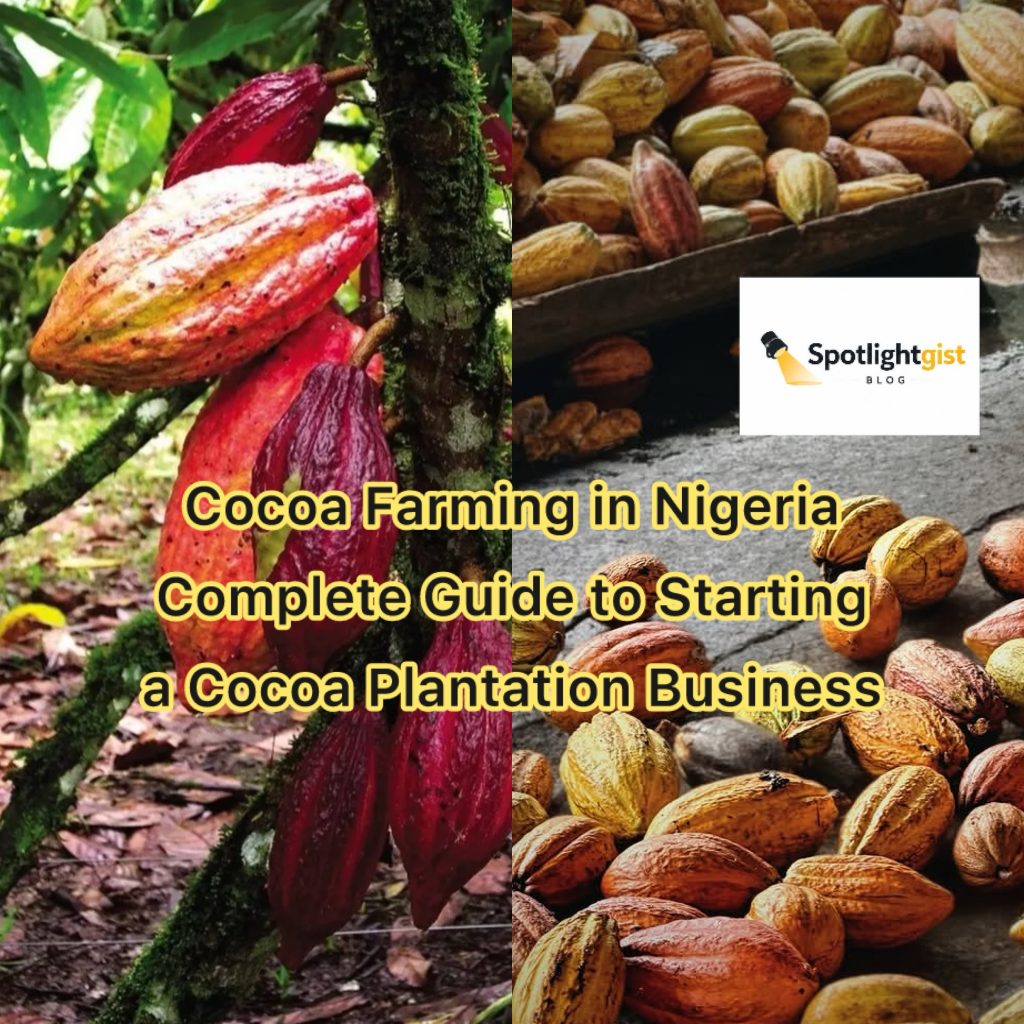
Cocoa Plantation Business in Nigeria: A Complete Beginner’s Guide
Nigeria is blessed with fertile land and a favorable climate for growing several valuable crops. Among these crops, cocoa stands out as one of the country’s most important agricultural commodities. While many people focus on urban jobs or online opportunities, agriculture continues to provide long-term opportunities for individuals, families, and communities.
Cocoa farming has remained relevant for decades because cocoa beans are used to produce many everyday products enjoyed across the world. From chocolate and beverages to cosmetics and pharmaceutical products, cocoa plays an important role in several industries.
For people with access to farmland or those interested in agriculture, establishing a cocoa plantation can be a rewarding long-term project. Like any farming venture, success depends on planning, patience, proper farm management, and understanding the market.
This guide explains everything beginners need to know about starting a cocoa plantation business in Nigeria.
What Is Cocoa?
Cocoa is a tropical crop grown primarily for its beans. These beans are harvested, fermented, dried, and processed into various products including cocoa powder, cocoa butter, chocolate, beverages, and ingredients used by food manufacturers around the world.
The cocoa tree grows best in warm, humid regions with regular rainfall and fertile, well-drained soil. Several states in southern Nigeria provide suitable conditions for cocoa cultivation.
Because cocoa trees can remain productive for many years when properly managed, many farmers consider cocoa an important long-term agricultural crop.
Why Cocoa Farming Is Important in Nigeria
Nigeria has been involved in cocoa production for many decades. The crop contributes to agricultural activities and supports many people through farming, transportation, processing, trading, and export.
Cocoa farming also encourages productive use of available farmland, especially in rural communities where large areas of land may remain uncultivated.
Beyond the farm itself, cocoa creates opportunities in areas such as:
•Seedling production
•Farm maintenance services
•Harvesting
•Processing
•Storage
•Transportation
•Agricultural extension services
•Commodity trading
•Export activities
This broad value chain makes cocoa one of Nigeria’s notable agricultural commodities.
Why More Young Nigerians Are Exploring Cocoa Farming
Agriculture is receiving renewed attention from many young Nigerians. Increased awareness about food production, agribusiness, and sustainable farming has encouraged more people to consider farming as a long-term venture.
Cocoa farming appeals to many because it combines crop production with long-term land development. Rather than leaving farmland unused, individuals can establish plantations that continue producing for many years with proper care.
Many farmers also combine cocoa with other compatible crops during the early years before cocoa trees mature.
Conditions Needed for Cocoa Farming
Before starting a cocoa plantation, it is important to understand the environmental conditions required for healthy plant growth.
- Suitable Climate
Cocoa grows best in warm tropical regions with consistent rainfall and moderate humidity.
- Fertile Soil
Well-drained loamy soil rich in organic matter supports healthy root development.
- Adequate Rainfall
Regular rainfall helps young cocoa plants establish properly, especially during the early stages of growth.
- Shade
Young cocoa seedlings benefit from temporary shade before becoming fully established.
- Good Farm Management
Routine maintenance such as weeding, pruning, mulching, and disease monitoring contributes to healthy plantations.
How to Start a Cocoa Plantation Business
Starting a cocoa plantation requires planning rather than rushing into planting.
Step 1: Learn About Cocoa Farming
Before investing in any agricultural project, spend time learning about cocoa production.
You can gain knowledge through:
•Agricultural extension officers
•Experienced cocoa farmers
•Agricultural training programs
•Farming cooperatives
•Government agricultural agencies
•Reputable agricultural publications
Learning first helps reduce common mistakes.
Step 2: Select Suitable Land
Land selection is one of the most important decisions.
A good cocoa farm should have:
•Fertile soil
•Good drainage
•Reliable rainfall
•Easy access for transportation
•Adequate space for future expansion
Avoid land that experiences prolonged flooding or poor drainage.
Step 3: Prepare the Land
Proper land preparation creates a good environment for young cocoa seedlings.
Preparation may include:
•Clearing unwanted vegetation
•Removing tree stumps where necessary
•Preserving useful shade trees
•Creating planting layouts
•Improving soil fertility if needed
Good preparation supports healthy crop establishment.
Step 4: Purchase Healthy Cocoa Seedlings
The quality of seedlings significantly influences future plantation performance.
Purchase seedlings from reputable agricultural research institutes, government-approved nurseries, or trusted commercial nurseries.
Healthy seedlings generally have:
•Strong stems
•Healthy green leaves
•Well-developed roots
•No visible signs of disease
Starting with quality planting materials improves the chances of establishing a healthy plantation.
Step 5: Plant at the Right Time
Many farmers prefer planting during the rainy season because adequate moisture helps seedlings establish quickly.
Proper spacing between cocoa trees is important to allow sufficient sunlight, airflow, and future growth.
Avoid overcrowding the plantation, as it can encourage pests and diseases.
Caring for Young Cocoa Trees
The first few years are important for the development of cocoa trees.
Young plantations require consistent attention, including:
Regular Weeding
Weeds compete with cocoa seedlings for water and nutrients. Keeping the farm clean helps promote healthy growth.
Mulching
Applying organic mulch helps retain soil moisture and reduce weed growth.
Pruning
Removing weak or damaged branches improves airflow and encourages better tree structure.
Shade Management
Young cocoa trees require protection from excessive sunlight. Farmers often use temporary shade crops until the cocoa trees become stronger.
Protecting Cocoa Farms from Pests and Diseases
Like many crops, cocoa can be affected by pests and diseases if not properly managed.
Farmers should regularly inspect their plantations for signs of problems such as damaged leaves, unusual spots, or unhealthy pods.
Integrated pest management practices, good farm hygiene, timely pruning, and guidance from agricultural extension officers can help reduce the impact of pests and diseases.
When crop protection products are necessary, always follow the manufacturer’s instructions and local agricultural recommendations.
Why Patience Is Essential
Unlike crops that mature within a few months, cocoa is a long-term investment in agriculture. Cocoa trees generally begin producing pods about three to five years after planting, depending on the variety, growing conditions, and farm management.
This means new farmers should plan carefully and maintain their plantations consistently during the establishment period. While waiting for cocoa trees to mature, some farmers cultivate compatible short-term crops between the rows where appropriate, helping them make productive use of the land without interfering with the cocoa trees.
Harvesting Cocoa Pods
After several years of proper care, healthy cocoa trees begin producing pods. Harvesting is one of the most important stages because it directly affects the quality of the cocoa beans.
Farmers should harvest only mature pods. Ripe cocoa pods usually change colour depending on the variety grown. Using a sharp harvesting knife or cutlass helps remove the pods without damaging the tree or flower cushions that will produce future pods.
Harvesting should be done carefully and at the appropriate time. Leaving ripe pods on the tree for too long may reduce bean quality, while harvesting immature pods can affect the flavour and value of the cocoa beans.
Processing Cocoa Beans
Harvesting is only the beginning. Proper processing determines whether the beans meet the quality standards expected by buyers and processors.
The major processing stages include:
Breaking the Pods
After harvesting, the pods are opened carefully to remove the fresh cocoa beans surrounded by white pulp.
The pod husks can be returned to the farm as organic matter or compost where appropriate.
Fermentation
Fermentation is one of the most important steps in cocoa processing.
Fresh beans are placed in wooden boxes, baskets, or covered heaps for several days. During this process, natural chemical changes develop the flavour and aroma that cocoa is known for.
Poor fermentation can reduce the overall quality of the beans.
Drying
After fermentation, the beans are dried under the sun or with suitable drying equipment until they reach the recommended moisture level.
Proper drying helps prevent mould growth and allows the beans to be stored safely.
The beans should never be dried directly on bare ground, as this can reduce their quality.
Proper Storage of Cocoa Beans
Good storage practices help preserve bean quality before sale.
Stored cocoa beans should be kept in clean, dry, and well-ventilated areas. Moisture, pests, and contamination can reduce quality and may lead to rejection by buyers.
Using clean storage bags and keeping the storage area free from leaks and rodents are simple but important practices.
Understanding the Cocoa Value Chain
One of the advantages of cocoa is that opportunities exist beyond owning a plantation.
Some people participate in the cocoa industry through:
•Buying and aggregating cocoa beans from farmers
•Producing cocoa seedlings
•Transporting agricultural produce
•Processing cocoa into value-added products
•Supplying farm inputs
•Agricultural consulting
•Warehousing and storage
•Export services
Learning about the entire value chain can help entrepreneurs identify opportunities that match their skills and resources.
How to Market Your Cocoa
When cocoa beans are properly processed, farmers can sell through different channels.
These may include:
•Licensed buying agents
•Agricultural commodity traders
•Farmer cooperatives
•Cocoa processing companies
•Export companies
Before selling, compare available offers and ensure that your cocoa meets recognised quality standards. Keeping accurate records of production and sales can also help when working with buyers or financial institutions.
Common Challenges in Cocoa Farming
Like every agricultural enterprise, cocoa farming has its challenges. Understanding them in advance allows farmers to prepare and make informed decisions.
Climate Changes
Irregular rainfall, prolonged dry periods, and extreme weather conditions may affect cocoa production.
Practices such as mulching, soil conservation, and proper shade management can help improve farm resilience.
Pests and Diseases
Cocoa farms require regular monitoring for pests and diseases. Early detection and guidance from agricultural professionals are important for effective management.
Labour Availability
Large plantations often require additional labour during planting, weeding, pruning, and harvesting seasons.
Planning ahead helps ensure that important farm activities are completed on time.
Price Fluctuations
Like many agricultural commodities, cocoa prices can change over time due to local and international market conditions.
Farmers should avoid making financial decisions based solely on short-term price movements and should stay informed through reliable market sources.
Common Mistakes New Cocoa Farmers Should Avoid
Many beginners make avoidable mistakes during the early stages of cocoa farming.
Some of the most common include:
Planting Poor-Quality Seedlings
Healthy seedlings provide a stronger foundation for a productive plantation.
Ignoring Soil Preparation
Preparing the land properly before planting improves the growing environment for young trees.
Poor Farm Maintenance
Allowing weeds to overgrow, neglecting pruning, or failing to monitor the farm regularly can reduce productivity.
Harvesting Too Early
Immature pods produce lower-quality beans and should be allowed to mature before harvesting.
Poor Processing Practices
Improper fermentation or drying can affect bean quality and market acceptance.
Tips for Building a Sustainable Cocoa Farm
Sustainability is becoming increasingly important in agriculture.
To maintain a healthy cocoa plantation over the years, farmers should:
•Use quality planting materials.
•Maintain good farm sanitation.
•Protect the soil from erosion.
•Plant suitable shade trees where necessary.
•Replace old or unhealthy trees when required.
•Keep records of farm activities.
•Continue learning through agricultural training and extension services.
A well-managed plantation is more likely to remain productive for many years.
Questions people ask frequently:
How long does it take for cocoa trees to produce pods?
Many cocoa varieties begin producing pods approximately three to five years after planting, although this can vary depending on the variety, climate, soil conditions, and management practices.
Can cocoa be grown in every part of Nigeria?
No. Cocoa grows best in areas with suitable rainfall, warm temperatures, and fertile, well-drained soil. Several states in southern Nigeria have favourable conditions for cocoa cultivation.
Is training important before starting?
Yes. Learning from experienced farmers, agricultural extension officers, and recognised training programmes can help beginners understand proper cultivation and management practices.
Can cocoa farming be combined with other crops?
In many cases, farmers grow compatible crops during the early years before the cocoa trees mature. Crop selection should be based on local agricultural advice to ensure it does not interfere with cocoa growth.
Finally:
Cocoa farming remains one of Nigeria’s important agricultural activities because of its role in food production, manufacturing, and international trade. While establishing a cocoa plantation requires planning, patience, and consistent management, it also contributes to productive land use and supports the broader agricultural value chain.
If you have access to suitable farmland or are interested in agriculture, learning about cocoa cultivation can be a worthwhile step. Start by seeking reliable information, using quality seedlings, and adopting good farming practices. With proper care, a cocoa plantation can remain productive for many years.
Agriculture is not only about growing crops—it is about creating value, supporting food systems, and contributing to economic development. Every successful plantation begins with careful planning and a commitment to learning.
Many people overlook the opportunities that agriculture offers, yet crops like cocoa continue to play an important role in Nigeria’s economy. Whether you want to become a farmer, explore agribusiness opportunities, or simply learn more about one of the country’s leading cash crops, understanding cocoa farming is a valuable first step.
At Spotlightgist, our goal is to educate, inspire, and inform readers by sharing practical business ideas, agricultural opportunities, and useful knowledge. We believe informed decisions begin with reliable information, and we remain committed to publishing content that helps readers explore sustainable opportunities across different industries.
Keep following Spotlightgist for more informative guides, business ideas, and educational articles designed to help you learn, grow, and stay informed.