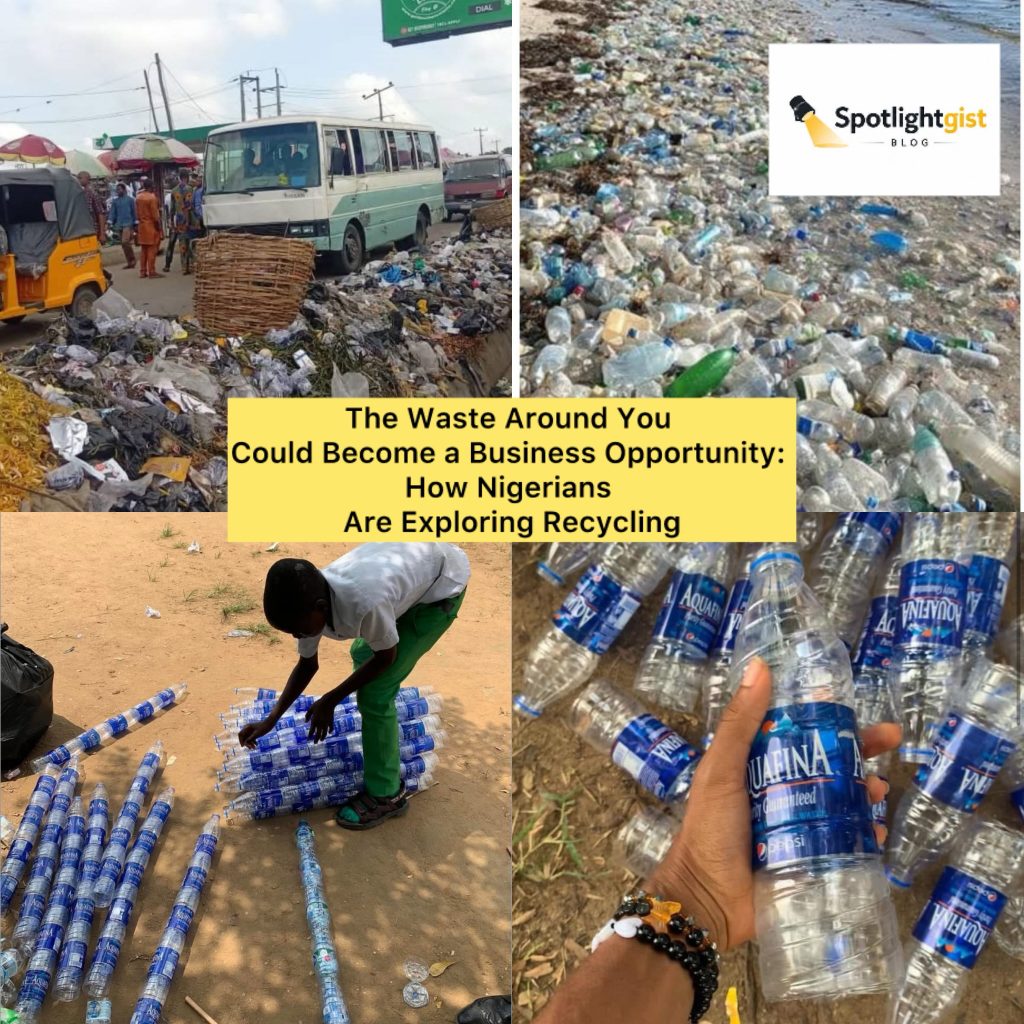
The Business Opportunity Hidden in Everyday Waste
Every day, homes, offices, schools, restaurants, hotels, and event centres generate large amounts of waste. After a wedding ceremony, birthday party, burial, religious programme, or public gathering, thousands of plastic bottles, cartons, cans, and other disposable materials are often thrown away.
To many people, these items are simply waste. However, to entrepreneurs who understand the recycling industry, they represent resources that can be collected, sorted, and supplied for reuse.
The waste recycling collection business is becoming an important part of modern environmental solutions. As communities search for better ways to manage waste and industries look for recycled materials, recycling has created opportunities for people who are willing to participate in the collection and supply process.
One of the interesting things about this business is that you do not need to begin with a large factory or expensive equipment. Many recycling entrepreneurs start by understanding their local environment, identifying recyclable materials, building relationships with suppliers and buyers, and gradually expanding their operations.
This guide explains how beginners can enter the recycling collection business, the materials they can collect, where to find recyclable waste, how to organise the business, challenges to expect, and practical ways to grow.
What Is a Waste Recycling Collection Business?
A waste recycling collection business involves collecting materials that can be processed and reused instead of allowing them to become environmental waste.
The business focuses on the collection stage of the recycling process.
A recycling collector usually:
- Identifies recyclable materials.
- Collects them from different locations.
- Separates materials according to type.
- Stores them properly.
- Supplies them to recycling companies or buyers.
The collected materials may later be transformed into new products through recycling processes.
For example, used plastic bottles can be processed into new plastic products, while old cartons can be converted into recycled paper materials.
The goal is to reduce waste while creating a system where useful materials return to production.
Why Recycling Is Becoming More Important in Nigeria
Waste management has become a major issue in many growing cities.
As populations increase and consumption rises, more waste is produced daily. Without proper management, waste can contribute to blocked drainage systems, pollution, and unhealthy living conditions.
Recycling provides one solution by helping communities recover useful materials.
Some benefits of recycling include:
Reducing Environmental Pollution
Proper recycling reduces the amount of waste that ends up on streets, waterways, and dumpsites.
Supporting Industries
Many manufacturers require recycled materials as part of their production process.
Creating Employment Opportunities
The recycling sector creates opportunities for collectors, transporters, sorters, and other workers.
Encouraging Cleaner Communities
When people understand the value of recyclable materials, they become more willing to separate waste properly.
Materials You Can Collect for Recycling
One of the advantages of this business is that recyclable materials are found in many places.
Some common materials include:
Plastic Bottles
Plastic bottles from water and beverage products are among the most collected recyclable items.
Aluminium Cans
Used beverage cans can be collected and supplied to recycling buyers.
Cardboard and Cartons
Supermarkets, shops, and companies produce large amounts of carton waste.
Paper Materials
Old newspapers, office papers, and other paper products may be recyclable.
Glass Bottles
Some recycling companies collect and process glass materials.
Scrap Metals
Old metal materials can also be collected depending on buyer requirements.
Packaging Materials
Certain plastic packaging materials may be accepted by recycling organisations.
Before collecting large quantities, it is important to understand what materials are accepted in your area.
Where to Find Recyclable Materials
Finding a consistent source of recyclable materials is one of the most important parts of building this business.
Here are some possible sources:
Event Centres
Large events produce significant amounts of disposable materials.
Weddings, conferences, parties, and celebrations often generate plastic bottles, cartons, and cans.
With proper permission from organisers, these materials can be collected instead of discarded.
Hotels and Restaurants
Hotels and restaurants generate waste daily because of their operations.
Building relationships with owners or managers can create a regular collection arrangement.
Schools and Universities
Educational institutions produce paper waste, plastic bottles, and other recyclable materials.
Offices and Businesses
Companies often dispose of packaging materials and papers that may be recyclable.
Residential Communities
Neighbourhood collection systems can help gather recyclable materials from households.
Starting a Recycling Business With Limited Resources
Many people believe they need a large amount of money before entering the recycling industry. However, beginners can start by learning the process and building a collection system gradually.
The first steps include:
•Understanding recyclable materials.
•Finding possible buyers.
•Identifying collection locations.
•Creating a storage plan.
•Learning proper sorting methods.
Starting small allows you to gain experience before making bigger investments.
The most important thing is building a reliable system rather than rushing into expansion.
Equipment Needed for a Recycling Collection Business
The equipment required depends on the size of the operation.
A beginner may need:
Collection Bags
Strong bags or containers help transport materials.
Protective Equipment
Gloves, safety boots, and protective clothing help reduce risks.
Storage Space
A clean and organised storage area is important.
Weighing Scale
A weighing scale can help when dealing with buyers.
Transportation
Depending on the size of the operation, transportation options may include carts, tricycles, or vehicles.
As the business grows, more advanced equipment can be introduced.
How to Sort and Store Recyclable Materials Properly
Proper organisation improves efficiency.
Different materials should be separated.
For example:
•Plastic bottles should be stored separately.
•Cartons should be kept dry.
•Metals should not be mixed with other materials.
•Glass should be handled carefully.
Good storage practices include:
•Keeping materials away from excessive moisture.
•Maintaining cleanliness.
•Avoiding contamination.
•Arranging items properly.
A well-organised collection system makes transportation easier and creates a professional image.
How to Find Recycling Buyers
Before collecting large quantities, it is important to identify potential buyers.
Possible buyers include:
•Recycling companies.
•Waste collection centres.
•Scrap dealers.
•Manufacturers that use recycled materials.
A good business relationship with buyers is important because requirements may differ.
Some buyers may focus on plastics, while others may specialise in metals, paper, or glass.
Always confirm the materials they accept before building your collection process around them.
Building Partnerships to Grow Faster
Partnerships can help recycling businesses expand.
Possible partners include:
Event Organisers
Event planners can help connect you with celebrations where recyclable materials are generated.
Business Owners
Restaurants, hotels, and offices can become regular sources.
Schools
Schools can participate through recycling awareness programmes.
Community Leaders
Community partnerships can help organise neighbourhood collection systems.
Strong relationships can create a more reliable supply chain.
Challenges You Should Expect
Although recycling has opportunities, beginners should understand the challenges.
Storage Limitations
Large amounts of recyclable materials require enough space.
Transportation Issues
Moving materials from different locations can become challenging.
Market Changes
Demand for recyclable materials can change depending on industry conditions.
Lack of Public Awareness
Some people do not separate waste properly, making collection more difficult.
Safety Concerns
Collectors should use protective equipment and handle materials carefully.
Preparing for these challenges improves your chances of building a stable business.
Mistakes Beginners Should Avoid
Some common mistakes include:
Collecting Without Knowing Buyers
Always understand where you will supply materials.
Mixing Different Materials
Poor sorting can reduce efficiency.
Ignoring Safety
Protective equipment should not be neglected.
Poor Record Keeping
Track your activities, expenses, and operations.
Growing Too Quickly
Expansion should happen after building a strong foundation.
How to Expand a Recycling Collection Business
After gaining experience, entrepreneurs can explore expansion opportunities.
Growth strategies include:
•Creating multiple collection points.
•Hiring collection assistants.
•Partnering with more businesses.
•Investing in better transportation.
•Creating recycling awareness campaigns.
•Supplying larger buyers.
A successful recycling business is built through consistency, organisation, and strong relationships.
Is Recycling Business Suitable for Students and Graduates?
Yes.
The recycling sector can provide opportunities for different groups, including:
•Students.
•Graduates.
•Entrepreneurs.
•Community groups.
•Small business owners.
The most important requirements are willingness to learn, discipline, and commitment.
A person does not need a specific academic background to understand recycling operations.
Recycling as a Global Business Opportunity
Recycling is not limited to Nigeria. Countries around the world participate in recycling because waste management is a global challenge.
The basic principles remain similar:
•Collect recyclable materials.
•Sort them properly.
•Supply them to processing organisations.
However, every country has different regulations, systems, and market conditions.
Anyone interested should understand the recycling environment where they operate.
Questions which people asked frequently:
Do I need a recycling factory to start?
No. Many businesses begin as collectors and suppliers before expanding.
Can I start from my home?
Yes, if you have a safe and suitable storage area.
Do I need special qualifications?
No. Learning, organisation, and consistency are more important.
Is recycling only for large companies?
No. Individuals can participate at different levels.
Why is recycling important?
It helps reduce waste, protect the environment, and support sustainable production.
Then Finally:
The waste recycling collection business is an example of how opportunities can exist in everyday activities. Materials that many people ignore can become useful resources when properly collected and managed.
Building a successful recycling business requires patience, planning, and commitment. The focus should not only be on collecting waste but on creating an organised system that provides value to recycling companies and communities.
As environmental awareness continues to grow, recycling will remain an important industry with opportunities for people who are willing to learn and participate.
At Spotlightgist, our mission is to educate, inspire, and share practical business ideas that encourage entrepreneurship and innovation. By highlighting opportunities like recycling, we hope to help readers discover ways they can contribute positively to society while exploring sustainable business ideas.
Every major business begins with an idea. Sometimes, that idea can be found in places others overlook.