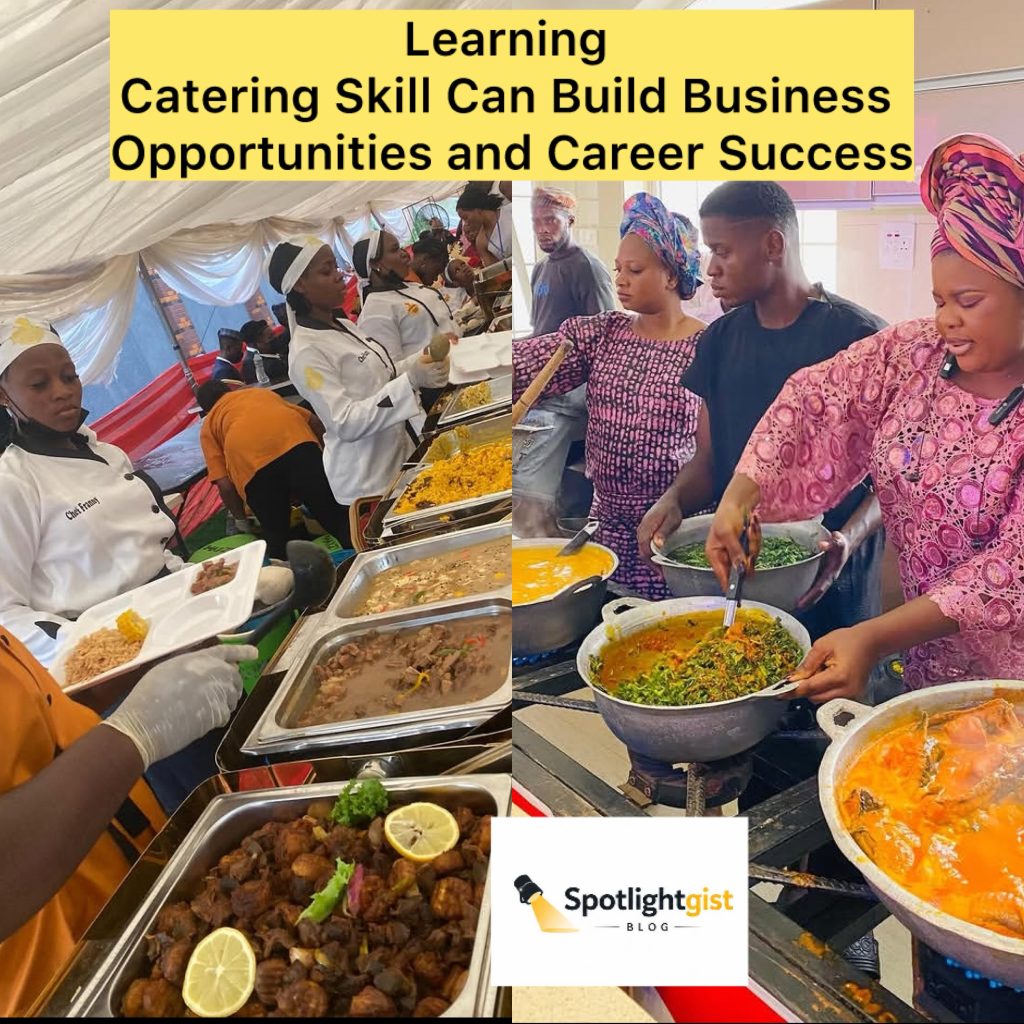
In a world where many people are searching for reliable ways to develop themselves, practical skills have become more important than ever. While academic qualifications remain valuable, learning a skill that solves everyday problems can create another pathway toward personal growth, independence, and entrepreneurship.
One of the most useful skills anyone can develop is catering.
Catering is more than preparing delicious meals. It is a combination of food preparation, creativity, organisation, customer service, event management, and business knowledge. A person with catering skills can provide valuable services for individuals, families, companies, schools, religious organisations, and event planners.
From small family celebrations to large corporate gatherings, food remains an essential part of human activities. This continuous demand makes catering one of the practical skills that can remain relevant across different generations.
For young people, career changers, stay-at-home parents, and aspiring entrepreneurs, learning catering can become the foundation for building something meaningful.
Understanding What Catering Skill Really Means
Catering skill refers to the ability to professionally prepare, present, and manage food services for different occasions and customers.
Many people think catering is only about cooking large quantities of food, but professional catering involves much more than that.
A skilled caterer understands:
- Food preparation techniques
- Menu planning
- Food presentation
- Hygiene and safety standards
- Customer preferences
- Event coordination
- Cost management
- Kitchen organization
- Service delivery
A successful caterer combines creativity with discipline. It requires understanding how to transform simple ingredients into meals that satisfy customers and create memorable experiences.
This is why catering is considered both a creative skill and a business skill.
Why Catering Remains One of the Most Valuable Skills to Learn
Food is one of the basic needs of humanity. Regardless of economic conditions, people continue to celebrate events, organise meetings, hold ceremonies, and require quality meals.
This constant demand gives catering a unique advantage compared to many other industries.
People need catering services for:
- Weddings
- Birthday celebrations
- Conferences
- Office meetings
- Religious programs
- School events
- Family gatherings
- Private dinners
- Community celebrations
As lifestyles become busier, many individuals and organisations prefer hiring professional caterers instead of preparing food themselves.
This creates opportunities for people who have developed proper catering knowledge.
Catering Is a Skill That Does Not Depend Only on Formal Education
One major advantage of catering is that it is a skill-based profession.
A person does not necessarily need an expensive university degree before beginning to develop catering abilities. With proper training, practice, dedication, and experience, anyone can improve their cooking and business skills.
Many successful caterers started from small beginnings:
- Learning traditional recipes at home
- Helping family members prepare meals
- Attending short catering courses
- Practicing food decoration
- Serving small events before expanding
The journey often begins with learning and consistency.
However, professionalism is important. Modern customers do not only look for tasty food; they also value cleanliness, presentation, reliability, and good customer experience.
Different Areas of Catering People Can Specialise In
One interesting aspect of catering is that it offers different areas of specialisation. This allows individuals to focus on the type of service that matches their passion and available resources.
- Event Catering
Event catering is one of the most recognised areas of the industry.
Event caterers provide food services for occasions such as weddings, birthdays, anniversaries, and celebrations.
This area requires:
- Menu planning
- Large-scale food preparation
- Team coordination
- Time management
- Professional presentation
A person who enjoys organising and working with people may find event catering rewarding.
- Corporate Catering
Businesses, organisations, and institutions regularly require catering services.
Corporate catering involves providing meals for:
- Meetings
- Workshops
- Conferences
- Staff events
- Business gatherings
This sector often values professionalism, punctuality, and consistency.
A caterer who builds a reputation for quality service can develop long-term relationships with companies.
- Home-Based Catering
Many successful catering businesses begin from home.
Home-based catering allows beginners to start gradually while reducing major expenses.
A person can focus on:
- Small orders
- Family celebrations
- Lunch packages
- Special dishes
- Local customers
With proper branding and customer satisfaction, a small home kitchen can grow into a recognised catering business.
- Baking and Dessert Catering
Catering is not limited to traditional meals.
Many people specialise in:
- Cakes
- Pastries
- Cookies
- Desserts
- Event treats
The demand for beautifully designed cakes and sweet products continues to grow because celebrations often require attractive food displays.
- Outdoor and Mobile Catering
Mobile catering has also become popular in many communities.
This involves providing food services in different locations through:
- Food stands
- Small mobile setups
- Event booths
- Special food packages
It allows caterers to reach different customers without depending on only one location.
The Importance of Learning Professional Catering Techniques
Having passion for cooking is a good starting point, but professional catering requires continuous improvement.
Customers today are becoming more informed. They expect quality, cleanliness, attractive presentation, and dependable service.
A professional caterer should understand:
Food Safety
Proper food handling is essential.
A caterer must learn:
- Safe food storage
- Proper cooking temperatures
- Kitchen cleanliness
- Preventing contamination
Food safety protects customers and builds trust.
Menu Development
A good caterer understands how to create menus that match different occasions and budgets.
For example, a wedding menu may differ from a corporate lunch package.
Understanding customer needs helps caterers provide better services.
Presentation Skills
Food presentation influences customer experience.
The arrangement of meals, table setup, packaging, and decoration can make a service appear more professional.
In catering, people often judge quality before tasting the food.
Essential Equipment Needed to Develop Catering Skills
Learning catering skills requires practice, and having the right tools can make the learning process easier and more professional. Beginners do not need to purchase every piece of equipment at once. Many successful caterers started with basic tools and gradually upgraded as their experience and customer base increased.
The important thing is understanding the purpose of each tool and how it contributes to better food preparation and service.
Some essential catering equipment includes:
Cooking Equipment
Cooking equipment forms the foundation of every catering operation.
Examples include:
- Quality cooking pots
- Gas burners or cookers
- Frying pans
- Baking equipment
- Knives and cutting tools
- Food preparation bowls
- Measuring equipment
Professional caterers understand that good tools improve efficiency, especially when preparing meals in larger quantities.
Food Storage Equipment
Proper storage is important because catering involves handling different ingredients and prepared meals.
Useful storage items include:
- Refrigerators
- Freezers
- Food containers
- Storage shelves
- Insulated food carriers
Good storage practices help maintain food quality and reduce waste.
Serving and Presentation Materials
The way food is presented can influence how customers perceive a catering service.
Serving materials may include:
- Plates and trays
- Serving spoons
- Food warmers
- Table decorations
- Packaging materials
- Disposable service items
Professional presentation helps create a memorable experience for guests.
Cleaning and Hygiene Supplies
Cleanliness is one of the most important aspects of catering.
A professional caterer should prioritise:
- Clean working surfaces
- Proper hand hygiene
- Clean cooking equipment
- Safe waste disposal
Customers are more likely to trust caterers who demonstrate excellent hygiene standards.
How Beginners Can Start Developing Catering Skills :
Starting a catering journey does not always require a large investment. The most important foundation is gaining knowledge, improving cooking ability, and understanding customer expectations.
Here are practical steps beginners can follow:
- Learn the Fundamentals of Food Preparation
Every professional caterer begins with strong cooking knowledge.
This includes understanding:
- Ingredients and their uses
- Cooking methods
- Food combinations
- Portion control
- Recipe improvement
A beginner should focus on mastering basic meals before attempting complicated menus.
Strong foundations create confidence.
- Receive Proper Training
Although some people learn through family traditions and personal experience, professional training can accelerate growth.
Training can come from:
- Catering schools
- Experienced chefs
- Apprenticeships
- Workshops
- Practical cooking classes
Learning from experienced professionals helps beginners avoid common mistakes and understand industry standards.
- Practise Consistently
Catering improves through repetition.
A person can practise by preparing meals for:
- Family members
- Friends
- Small gatherings
- Community events
Practice helps improve speed, confidence, and creativity.
The difference between an average cook and a professional caterer is often the amount of deliberate practice invested in improving the craft.
- Study Customer Preferences
Successful caterers understand that customers have different tastes and expectations.
Some customers may prefer:
- Traditional meals
- International dishes
- Healthy options
- Budget-friendly packages
- Luxury food experiences
Understanding different preferences helps caterers create services that attract more customers.
- Learn Basic Business Management
Catering is not only a cooking profession; it is also a business.
A skilled caterer should understand:
- Pricing
- Budgeting
- Customer communication
- Marketing
- Record keeping
- Cost control
Many catering businesses fail not because the food quality is poor, but because the business side is not properly managed.
Catering Business Opportunities Available Today
The catering industry provides different opportunities for people with creativity and dedication.
A person can build a career around several catering services depending on their skills and resources.
Small Event Catering Services
Many people need professional food services for small occasions.
Examples include:
- Birthday parties
- Family celebrations
- Graduation ceremonies
- Community events
Small events can provide beginners with valuable experience and customer reviews.
Meal Preparation Services
Busy professionals and families often need convenient meal solutions.
Some caterers provide:
- Weekly meal packages
- Office lunch services
- Family food plans
This opportunity is growing because many people have limited time for daily cooking.
Special Occasion Food Services
Special events often require unique menus.
Caterers can specialise in:
- Wedding meals
- Traditional ceremonies
- Holiday celebrations
- Private dinners
Building expertise in a specific area can help a caterer stand out from competitors.
Catering Supply Partnerships
Experienced caterers can create relationships with:
- Event planners
- Hotels
- Companies
- Schools
- Religious organizations
These partnerships can provide consistent opportunities.
Common Mistakes New Caterers Should Avoid
While catering offers many opportunities, beginners need to understand the challenges involved.
Avoiding mistakes can improve the chances of building a successful catering career.
Ignoring Food Quality
Food quality is the foundation of catering.
A caterer should never sacrifice quality to reduce expenses.
Customers remember the taste and experience they receive.
Poor quality meals can damage a reputation quickly.
Underestimating Planning
Catering requires preparation.
A professional caterer should plan:
- Ingredients
- Cooking schedule
- Transportation
- Serving arrangements
- Staff responsibilities
Poor planning can create unnecessary pressure during events.
Poor Financial Management
Many small businesses struggle because they do not properly track expenses.
Caterers should understand:
- Cost of ingredients
- Labour expenses
- Equipment maintenance
- Profit calculation
Good financial management supports long-term growth.
Neglecting Customer Service
Catering involves serving people.
A caterer should develop strong communication skills and treat customers professionally.
Positive customer experiences often lead to recommendations and repeat business.
Building a Strong Catering Brand
In today’s competitive world, quality food alone may not be enough. A caterer also needs a strong identity that customers can recognise and trust.
A strong catering brand is built through:
Professional Appearance
Presentation matters.
This includes:
- Clean uniforms
- Attractive food displays
- Professional packaging
- Reliable communication
Small details can influence customer confidence.
Creating a Unique Style
Successful caterers often have something that makes them different.
This could be:
- Special recipes
- Unique presentation methods
- Excellent customer service
- A focus on a particular type of food
A unique identity helps customers remember a business.
Building Customer Trust
Trust is one of the strongest assets in catering.
Customers want to know that their events are in safe hands.
Trust grows through:
- Keeping promises
- Delivering quality service
- Being punctual
- Maintaining professionalism
A trusted caterer can build long-lasting success.
How Technology Is Changing the Catering Industry :
The catering industry has continued to evolve as technology becomes part of everyday business activities. Modern caterers are no longer relying only on traditional methods of finding customers. Digital tools have created new ways for food professionals to showcase their skills, communicate with clients, and improve their services.
A caterer today can use technology to build awareness, attract customers, and manage operations more effectively.
Social Media and Online Visibility
Social media has become an important tool for many catering businesses.
Platforms such as Instagram, Facebook, TikTok, and Pinterest allow caterers to showcase:
- Beautiful food presentations
- Event decorations
- Customer experiences
- Menu options
- Behind-the-scenes preparation
Food is highly visual, which makes online platforms useful for displaying creativity and attracting potential customers.
A well-presented meal photo or video can introduce a catering brand to thousands of people.
However, successful online promotion requires consistency, professionalism, and genuine engagement with customers.
Digital Ordering and Customer Communication
Many customers now prefer convenient ways to make enquiries and place orders.
Catering businesses can improve customer experience through:
- Online menus
- Digital payment options
- Messaging platforms
- Booking forms
- Customer management systems
These tools make it easier for customers to access information and communicate their needs.
Better Business Organisation Through Technology
Technology can also help caterers manage their businesses more efficiently.
Digital tools can assist with:
- Keeping customer records
- Tracking expenses
- Planning menus
- Managing schedules
- Monitoring supplies
A caterer who combines practical cooking skills with good organisation has a stronger chance of building a sustainable business.
The Future Opportunities in the Catering Industry
The demand for professional food services is expected to continue because food remains connected to human activities, celebrations, and daily life.
As communities grow and lifestyles become busier, catering services will continue to play an important role.
Several trends are creating new opportunities within the industry.
Growing Demand for Convenient Food Services
Many people have increasingly busy schedules.
Workers, families, and organisations often need reliable food providers who can save them time and deliver quality meals.
This creates opportunities for caterers who can provide dependable services.
Increased Interest in Professional Event Experiences
Modern events are becoming more focused on creating memorable experiences.
Food is now considered an important part of event planning.
Customers are looking for caterers who can offer:
- Attractive presentations
- Creative menus
- Quality service
- Professional organisation
This creates room for skilled caterers who understand both food and customer experience.
Opportunities for Specialised Catering
Specialisation can help caterers build a strong position in the market.
Some areas with potential include:
- Healthy meal preparation
- Traditional cuisine
- Luxury event catering
- Baking services
- Corporate food services
- Small private dining experiences
Finding a specific area of interest can help a caterer develop unique expertise.
Why Catering Is a Valuable Skill for Young People
For many young people searching for practical career options, catering represents more than learning how to cook. It is an opportunity to develop creativity, discipline, entrepreneurship, and independence.
A catering skill can provide valuable benefits.
It Encourages Creativity
Food preparation involves imagination and innovation.
Caterers constantly explore:
- New recipes
- Better presentation methods
- Different food combinations
- Creative service ideas
This makes catering suitable for people who enjoy creating new things.
It Builds Entrepreneurial Thinking
Catering teaches important business lessons.
A person learns how to:
- Identify customer needs
- Manage resources
- Promote services
- Handle responsibilities
- Improve quality
These lessons can be useful beyond the catering industry.
It Creates Opportunities Across Different Locations
Unlike some careers that depend on specific workplaces, catering skills can be used in many environments.
A skilled caterer can work:
- From home
- In restaurants
- At events
- With organizations
- Through partnerships
The flexibility makes it an attractive skill for many people.
It Can Grow From Small Beginnings
Many successful catering businesses did not start with large facilities.
Some began with:
- A small kitchen
- A few customers
- Basic equipment
- Strong dedication
Growth often comes through improving quality, gaining experience, and building trust.
How to Maintain Long-Term Success in Catering
Learning catering is the beginning of the journey. Maintaining success requires continuous improvement and commitment.
A professional caterer should focus on the following principles:
Continue Learning
The food industry changes constantly.
Successful caterers continue improving through:
- Learning new recipes
- Understanding customer trends
- Improving techniques
- Studying business strategies
Continuous learning keeps a catering service competitive.
Protect Your Reputation
A good reputation can become one of the most valuable assets in the catering business.
Customers often recommend caterers based on:
- Food quality
- Reliability
- Professional behavior
- Customer experience
One positive experience can bring more opportunities, while poor service can affect future growth.
Focus on Customer Satisfaction
Customers are the foundation of every service business.
A successful caterer listens carefully, understands expectations, and works hard to deliver excellent results.
Satisfied customers often become repeat clients and promoters of the business.
Questions frequently asked About Catering Skills :
Is catering a good skill to learn?
Yes. Catering is a valuable practical skill because food services remain in demand across different communities and industries. It can provide career opportunities and support entrepreneurship when developed professionally.
Can someone start catering with little experience?
Yes. Beginners can start by learning basic cooking techniques, receiving training, practising regularly, and gradually gaining experience through small opportunities.
Does catering require formal education?
Formal education can be helpful, but catering is mainly a skill-based profession. Practical training, experience, creativity, and business knowledge are important factors for success.
What skills does a professional caterer need?
A professional caterer needs cooking ability, organisation, communication skills, customer service knowledge, food safety awareness, and basic business management skills.
Can catering become a full-time career?
Yes. Many people build full-time careers through catering services, especially when they develop quality standards, strong customer relationships, and effective business strategies.
What is the difference between cooking and catering?
Cooking focuses mainly on preparing food, while catering involves food preparation combined with planning, service delivery, customer management, event coordination, and business operations.
And finally :
Catering is more than a way to prepare meals; it is a practical skill that combines creativity, service, and entrepreneurship.
In a world where valuable skills continue to create opportunities, learning catering can help individuals develop confidence, support themselves, and build meaningful careers.
The journey may begin with learning simple techniques, practising consistently, and serving a small number of customers. However, with dedication, professionalism, and continuous improvement, catering skills can grow into a respected profession and a sustainable business.
For young people and aspiring entrepreneurs looking for a skill with long-term relevance, catering remains one of the areas worth exploring.
Food connects people, celebrations create memories, and skilled caterers play an important role in making those moments successful.