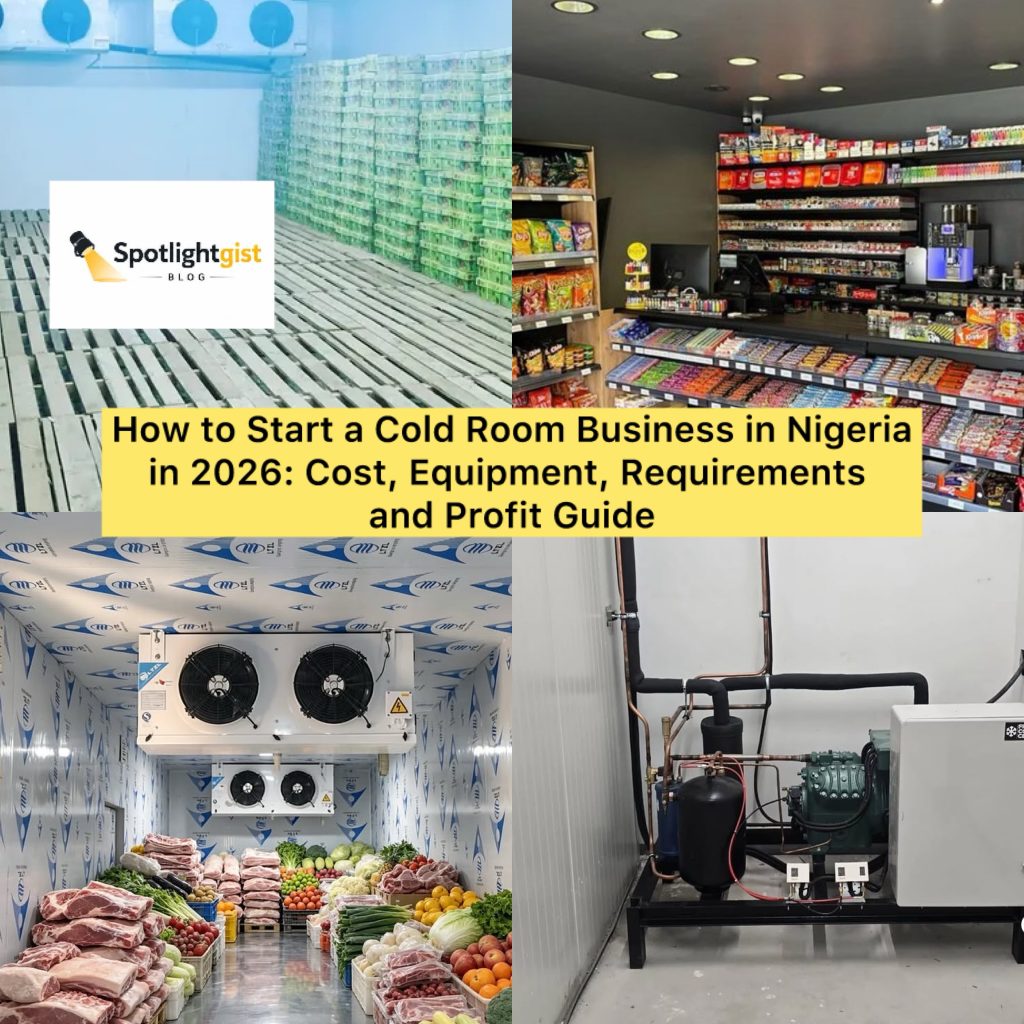
The Growing Opportunity in Nigeria’s Cold Storage Industry
Nigeria’s food industry is expanding rapidly, and one of the biggest challenges facing food businesses today is proper preservation and storage of perishable products.
From frozen chicken and turkey to fish, seafood, meat, and agricultural products, millions of Nigerians consume frozen foods every day. However, without reliable cold storage facilities, business owners often experience spoilage, financial losses, and reduced product quality.
This challenge has created a profitable opportunity for entrepreneurs who want to enter the cold room business in Nigeria.
A cold room business involves setting up a temperature-controlled storage facility where frozen and perishable goods can be preserved for longer periods. Depending on your business model and capital, you can operate as a frozen food seller, cold storage provider, wholesaler, or supplier to restaurants, hotels, supermarkets, and food vendors.
With proper planning, good location, quality refrigeration equipment, and effective marketing, a cold room business can become a sustainable source of income in Nigeria.
This article explains everything you need to know about starting a cold room business, including startup requirements, equipment, estimated costs, profit opportunities, challenges, and strategies for success.
What Is a Cold Room Business?
A cold room business is a commercial storage operation that uses advanced refrigeration systems to maintain very low temperatures required for preserving food products and other sensitive materials.
Unlike regular household freezers, cold rooms are larger storage spaces designed to hold hundreds or thousands of kilograms of frozen products.
The temperature-controlled environment helps prevent bacterial growth, maintain product quality, and increase the shelf life of perishable goods.
Cold rooms are commonly used by:
- Frozen food businesses
- Poultry farmers
- Fish suppliers
- Restaurants and hotels
- Supermarkets
- Food distributors
- Agricultural companies
- Catering businesses
An entrepreneur can choose to build a cold room mainly for personal product sales or provide storage services for other businesses.
Why Cold Room Business Is Profitable in Nigeria
- Increasing Demand for Frozen Foods
Nigeria has a large and growing population with strong demand for affordable protein sources.
Frozen chicken, fish, turkey, and seafood remain popular choices among households, restaurants, and food vendors because they are convenient and can be stored for longer periods.
As more people enter the food business, the need for reliable cold storage continues to increase.
- Reduction of Food Waste Creates Business Opportunities
One major problem in Nigeria’s food supply chain is the loss of products due to poor preservation.
Farmers, fishermen, and food suppliers often lose money when they cannot store their products properly.
Cold room operators help solve this problem by providing a safe environment where products can remain fresh until they are sold.
- Multiple Sources of Income
One advantage of the cold room business is that entrepreneurs can earn money through different channels.
Some income opportunities include:
Selling Frozen Foods
You can buy frozen products in bulk from suppliers and sell them to consumers, retailers, restaurants, and food vendors.
Cold Storage Rental
Businesses that do not have their own storage facilities can pay you to preserve their products.
Wholesale Distribution
A larger cold room can allow you to supply frozen products to smaller sellers within your city.
Supply Contracts
You can build relationships with hotels, restaurants, supermarkets, and catering companies that need regular frozen food supplies.
Types of Cold Room Businesses You Can Start in Nigeria
Before investing, it is important to understand the different models available.
- Frozen Food Retail Cold Room
This is one of the most common options for beginners.
The business involves purchasing frozen products such as:
- Chicken
- Turkey
- Fish
- Prawns
- Meat products
and selling them directly to customers.
This model works well in residential areas, markets, and busy communities.
- Cold Storage Rental Business
Instead of selling food products, you provide storage space for other businesses.
For example, a fish supplier may pay you monthly to store hundreds of cartons of fish inside your cold room.
This model can provide consistent income when you have many customers.
- Commercial Wholesale Cold Room
This requires more capital but offers bigger opportunities.
Wholesale cold rooms buy products in large quantities directly from importers, farmers, or distributors and supply smaller businesses.
Customers may include:
- Frozen food retailers
- Restaurants
- Hotels
- Event caterers
- Agricultural Cold Storage Business
Agricultural entrepreneurs can use cold rooms to preserve farm products such as vegetables, fruits, and other perishables.
This helps farmers reduce losses and sell products when market prices are better.
Choosing the Right Cold Room Business Model
Your choice should depend on:
- Available capital
- Location
- Target customers
- Market demand
- Competition level
- Electricity availability
A beginner with limited capital may start with a small frozen food outlet, while an investor with more funds can establish a large commercial cold storage facility.
Equipment, Startup Cost, Location and Setup Process
Equipment Needed to Start a Cold Room Business in Nigeria
Starting a successful cold room business requires investing in the right equipment. The quality of your refrigeration system will determine how well you preserve products and how much profit you can make.
Below are the major equipment needed:
- Cold Room Panel and Insulation Materials
The cold room structure requires special insulated panels that help maintain low temperatures and prevent heat from entering the storage area.
Quality insulation is important because poor materials can increase electricity costs and reduce the lifespan of your refrigeration system.
Common materials include:
- Polyurethane insulated panels
- Insulated doors
- Flooring materials
- Ceiling panels
- Wall panels
A properly constructed cold room helps reduce energy consumption and protects your products.
- Refrigeration System
The refrigeration unit is the heart of the cold room business.
It controls the temperature and ensures products remain frozen or chilled.
Major components include:
- Compressor
- Condenser
- Evaporator
- Refrigeration pipes
- Temperature control system
When choosing refrigeration equipment, consider:
- Storage capacity
- Power consumption
- Brand reliability
- Availability of spare parts
- Maintenance requirements
- Generator or Alternative Power Supply
Electricity is one of the biggest challenges in running a cold room business in Nigeria.
A power outage can damage thousands or millions of naira worth of frozen products within a short period.
For this reason, a reliable backup power source is essential.
Common options include:
- Diesel generator
- Petrol generator
- Solar-powered backup systems
- Hybrid power solutions
Business owners should calculate their energy needs before choosing a generator.
- Temperature Monitoring Equipment
A cold room operator must constantly monitor temperature levels.
Important monitoring tools include:
- Digital temperature controllers
- Temperature sensors
- Alarm systems
- Monitoring devices
These tools help detect problems early before products get damaged.
- Storage Shelves and Containers
Proper arrangement improves efficiency and allows you to store more products.
You may need:
- Stainless steel shelves
- Food-grade containers
- Storage baskets
- Product racks
Avoid overcrowding because proper air circulation is necessary for effective cooling.
- Packaging Materials
If you sell frozen foods, packaging is important for customer satisfaction.
You may need:
- Nylon bags
- Cartons
- Labels
- Weighing scale
- Sealing machine
Professional packaging can help your brand look more trustworthy.
Estimated Cost of Starting a Cold Room Business in Nigeria (2026)
The amount required depends on the size, location, equipment quality, and business model.
A small frozen food cold room business may require less capital, while a large commercial storage facility requires significant investment.
Small-Scale Cold Room Setup
Estimated budget:
- Small cold room construction: ₦3 million – ₦8 million
- Refrigeration equipment: ₦2 million – ₦6 million
- Generator/power backup: ₦500,000 – ₦3 million
- Initial frozen food stock: ₦500,000 – ₦3 million
- Shop preparation and registration: ₦200,000 – ₦1 million
Estimated starting range: ₦6 million – ₦20 million
Medium-Scale Cold Room Business
For entrepreneurs targeting wholesalers, restaurants, and large customers:
Estimated investment:
- Larger cold room structure
- Industrial refrigeration system
- Bigger power backup
- Large product inventory
Estimated starting range: ₦20 million – ₦50 million+
Large Commercial Cold Storage Facility
A large-scale operation designed for distributors, companies, and agricultural businesses can require significantly higher investment depending on capacity and technology.
Choosing the Best Location for a Cold Room Business
Location can determine whether your business succeeds or struggles.
A good cold room location should have:
- High Customer Demand
Consider areas with:
- Busy markets
- Residential communities
- Restaurants
- Hotels
- Food vendors
- Supermarkets
- Reliable Accessibility
Your location should allow:
- Easy transportation
- Delivery access
- Customer movement
- Supplier access
A hidden location may reduce sales opportunities.
- Stable Electricity Availability
Although you need backup power, choosing an area with better electricity supply can reduce operational costs.
Step-by-Step Process to Start a Cold Room Business in Nigeria :
Step 1: Conduct Market Research
Before investing money, study your target market.
Find out:
- What frozen products people buy most
- Existing competitors
- Customer demand
- Pricing in your area
- Supplier options
Understanding your market helps you avoid costly mistakes.
Step 2: Create a Business Plan
A business plan should include:
- Startup capital
- Target customers
- Products you will sell
- Expected expenses
- Marketing strategy
- Growth plan
A clear plan helps you manage your investment properly.
Step 3: Register Your Business
For a professional operation, consider registering your business with the appropriate authorities.
Business registration improves credibility when dealing with suppliers, restaurants, and corporate customers.
Step 4: Purchase Equipment and Build the Cold Room
Work with experienced refrigeration technicians to design and install your cold room.
Avoid choosing equipment based only on cheap prices because poor installation can lead to losses.
Step 5: Find Reliable Suppliers
Your suppliers determine your product quality and pricing.
Build relationships with:
- Poultry farms
- Fish suppliers
- Frozen food distributors
- Agricultural producers
Buying directly from reliable sources can improve your profit margin.
Profit Potential, Marketing Strategies, Challenges and Final Guide
How to Make Money From a Cold Room Business in Nigeria
A cold room business can generate income through different methods. The amount of profit you make depends on your location, product quality, customer base, operating costs, and business management skills.
Below are some of the major ways entrepreneurs make money:
- Selling Frozen Foods Directly to Customers
This is the most common way beginners make money from a cold room business.
You can buy frozen products in bulk and sell them in smaller quantities to:
- Families
- Food vendors
- Restaurants
- Event caterers
- Retailers
Popular products include:
- Chicken
- Turkey
- Fish
- Seafood
- Meat products
The advantage of buying in bulk is that you can negotiate better prices and increase your profit margin.
- Supplying Restaurants and Hotels
Restaurants, hotels, and catering businesses need regular supplies of frozen products.
Building relationships with these businesses can provide steady monthly income.
For example, instead of waiting for individual customers, you can create supply agreements with:
- Fast food restaurants
- Hotels
- Event planners
- Food companies
A few reliable business clients can significantly increase your monthly revenue.
- Cold Storage Rental Services
Many food sellers need storage but cannot afford to build their own cold room.
You can charge them for storing their products.
This creates another income stream because you earn money from your storage space even when you are not selling your own products.
- Wholesale Distribution
As your business grows, you can move from retail sales to wholesale distribution.
This involves buying large quantities directly from suppliers and selling to smaller frozen food businesses.
Wholesale customers may include:
- Market traders
- Frozen food shops
- Supermarkets
- Food vendors
Although wholesale requires more capital, it can generate higher returns.
How Much Profit Can a Cold Room Business Make in Nigeria?
Profit varies depending on several factors:
- Business size
- Product volume
- Location
- Supplier prices
- Electricity expenses
- Customer demand
A small frozen food outlet may generate a few hundred thousand naira in monthly profit when properly managed.
A medium or large cold room supplying businesses can generate higher profits because of increased sales volume and multiple revenue sources.
The key to profitability is not only selling products but also controlling expenses and building loyal customers.
Marketing Strategies to Grow Your Cold Room Business
Having a good cold room is not enough. You need effective marketing to attract customers.
- Use Social Media Marketing
Platforms like:
- TikTok
- WhatsApp Business
can help you reach thousands of potential customers.
Share:
- Product pictures
- Prices
- Customer reviews
- Delivery options
- Business location
Consistent online visibility helps build trust.
- Create WhatsApp Customer Groups
Many successful food businesses use WhatsApp to maintain customer relationships.
You can create a customer list where you share:
- New stock arrivals
- Discounts
- Special offers
- Bulk purchase deals
This encourages repeat customers.
- Partner With Restaurants and Food Vendors
Direct partnerships can bring consistent sales.
Visit restaurants, hotels, and catering businesses in your area and introduce your products.
Offer:
- Reliable delivery
- Competitive prices
- Quality products
- Flexible payment options
- Offer Delivery Services
Convenience attracts customers.
Providing delivery services can help you reach customers who cannot visit your shop.
You can start with local delivery and expand as demand increases.
- Build a Strong Brand Identity
A professional business should have:
- A unique business name
- Quality packaging
- Customer service
- A visible location
- Online presence
Customers are more likely to trust businesses that appear organized and professional.
Challenges of Running a Cold Room Business in Nigeria
Although the business has opportunities, entrepreneurs must prepare for challenges.
- High Electricity Costs
Cold rooms consume significant power.
Solution:
- Invest in energy-efficient equipment
- Maintain refrigeration systems regularly
- Use reliable backup power solutions
- Monitor electricity usage
- Equipment Failure
A refrigeration breakdown can lead to serious losses.
Solution:
- Work with experienced technicians
- Carry out regular maintenance
- Monitor temperature constantly
- Replace faulty parts quickly
- Competition
Many areas already have frozen food sellers.
Solution:
Stand out through:
- Better customer service
- Competitive pricing
- Quality products
- Fast delivery
- Online marketing
- Product Spoilage
Poor management can result in losses.
Solution:
- Maintain correct temperatures
- Avoid overloading the cold room
- Monitor product expiration dates
- Buy from reliable suppliers
Common Mistakes Beginners Should Avoid
- Starting Without Market Research
Many entrepreneurs invest money without understanding customer demand.
Always study your location before setting up.
- Buying Cheap, Poor-Quality Equipment
Low-quality refrigeration systems may save money initially but can create expensive problems later.
Invest in durable equipment.
- Ignoring Maintenance
Cold rooms require regular servicing.
Preventive maintenance is cheaper than repairing damaged systems.
- Poor Customer Service
Customers remember how businesses treat them.
Build trust through:
- Honest pricing
- Quality products
- Quick responses
- Reliable delivery
Future Opportunities in Nigeria’s Cold Storage Industry
The cold storage sector has opportunities beyond frozen foods.
Entrepreneurs can explore:
- Agricultural storage
- Pharmaceutical cold chain services
- Seafood preservation
- Meat processing
- Food distribution networks
As Nigeria’s food and agricultural sectors continue growing, demand for reliable temperature-controlled storage is expected to remain important.
The Final Conclusion: Is Cold Room Business Worth Starting in Nigeria?
Starting a cold room business in Nigeria can be a profitable opportunity for entrepreneurs who understand the market and are prepared to invest in quality equipment and proper management.
The business requires serious planning because refrigeration, electricity, and maintenance costs must be carefully controlled.
However, with the right location, reliable suppliers, effective marketing, and excellent customer service, a cold room business can grow from a small frozen food shop into a large food supply and storage company.
For entrepreneurs looking for a business connected to Nigeria’s growing food industry, cold room business remains one of the promising opportunities to consider in 2026.