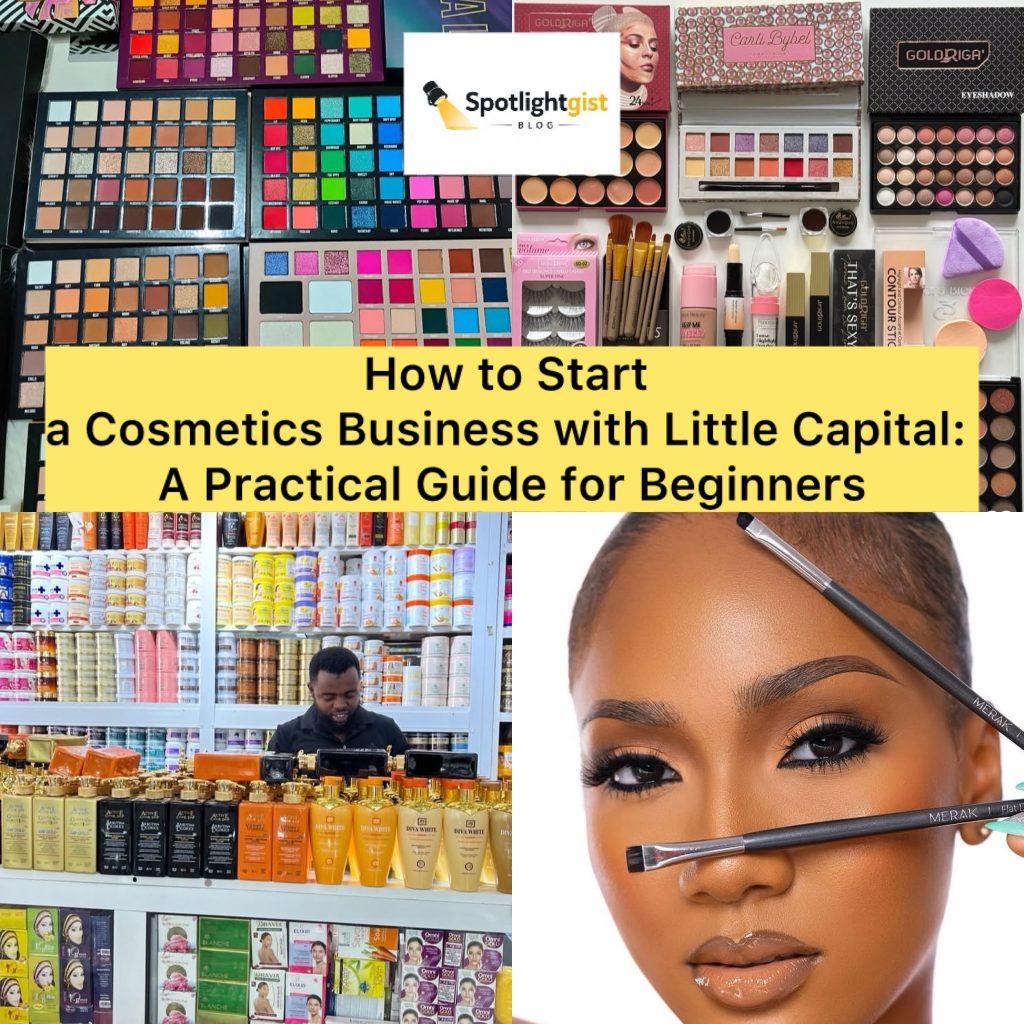
The cosmetics industry is one of the fastest-growing business sectors in the world. Every day, millions of people buy beauty and personal care products to improve their appearance, care for their skin, or maintain healthy hair. From students and office workers to professionals and retirees, cosmetics have become part of everyday life.
If you are looking for a business you can start with a small amount of money, a cosmetics business is worth considering. You do not need a large shop or millions of naira to begin. Many successful beauty entrepreneurs started by selling a few products to family members, friends, neighbors, and colleagues before expanding into full-scale businesses.
One of the biggest advantages of this business is that customers buy cosmetics regularly. Unlike products that people purchase only once in a while, items like body lotion, soap, deodorant, perfume, shampoo, and skincare products are used every day. This creates repeat customers and provides opportunities for consistent income.
Whether you are a university student looking for extra income, a stay-at-home parent, a young graduate searching for a business opportunity, or someone who wants to become financially independent, selling cosmetics can be a smart option. With patience, excellent customer service, and quality products, a small business can grow into a trusted beauty brand.
This article explains everything you need to know about starting a cosmetics business with little capital. You will learn how to choose the right products, find reliable suppliers, attract customers, manage your finances, and grow your business steadily.
Why the Cosmetics Business Is a Smart Choice
The beauty industry continues to grow because personal care is an essential part of everyday life. People of different ages and income levels buy cosmetics throughout the year.
Some of the reasons this business remains attractive include:
Daily Demand
Many cosmetic products are everyday essentials. People regularly buy body creams, soaps, deodorants, toothpaste, face cleansers, perfumes, and hair products because they use them daily.
Low Capital Requirement
Unlike businesses that require expensive equipment or large office spaces, you can start selling cosmetics with a modest budget. You can begin with a small inventory and increase your stock as your customer base expands.
Flexible Business Model
You can sell cosmetics from your home, a kiosk, a small shop, online, or through social media. Some entrepreneurs even combine online and offline sales to reach more customers.
Easy to Expand
As your business grows, you can introduce additional products such as skincare items, makeup accessories, beauty tools, and premium brands. This allows your income opportunities to increase over time.
Repeat Customers
Customers often return to buy products they use regularly. When they trust your products and service, they are more likely to become loyal buyers and recommend your business to others.
Skills You Need Before Starting
You do not need a university degree to build a successful cosmetics business. However, developing certain skills can make your journey easier.
Product Knowledge
Learn about the products you sell. Customers frequently ask questions about ingredients, skin types, product benefits, and proper usage. Being knowledgeable helps you build trust and recommend suitable products.
Communication Skills
Friendly communication creates positive customer experiences. Listen carefully to customers, answer their questions honestly, and avoid making unrealistic promises about products.
Sales Skills
You should learn how to present products confidently, explain their benefits, and help customers choose items that meet their needs without putting unnecessary pressure on them.
Record Keeping
Maintain simple records of your purchases, sales, expenses, and profits. This helps you understand how your business is performing and plan future growth.
Customer Service
Satisfied customers often become repeat buyers. Treat every customer with respect, respond promptly to inquiries, and resolve complaints professionally.
Types of Cosmetics You Can Sell
One of the advantages of this business is the wide variety of products available. You do not need to stock everything immediately. Start with fast-selling products and gradually expand.
Popular products include:
- Body lotions
- Body creams
- Body oils
- Bath soaps
- Liquid soaps
- Face cleansers
- Facial moisturizers
- Sunscreens
- Lip gloss
- Lipsticks
- Face powder
- Foundation
- Concealers
- Mascara
- Eyeliners
- Makeup brushes
- Beauty blenders
- False eyelashes
- Nail polish
- Perfumes
- Roll-on deodorants
- Hair cream
- Hair oil
- Shampoo
- Conditioner
- Hair serum
- Hair spray
- Edge control
- Beard oil
- Baby skincare products
As your business grows, you can add premium beauty brands and specialized skincare products to attract a wider range of customers.
How Much Capital Do You Need?
The amount you need depends on the size of your business and the number of products you plan to stock.
Here is a simple guide:
₦30,000–₦50,000
This budget is suitable for students or beginners who want to test the market. Focus on a few fast-selling products with affordable prices.
₦50,000–₦100,000
This allows you to stock a wider variety of beauty and personal care products. You can serve more customers and offer greater product choices.
₦100,000–₦300,000
With this budget, you can create a more attractive inventory, improve product variety, and begin building a stronger customer base.
Remember that it is often better to start small and reinvest your profits than to spend all your savings at once.
Choosing the Right Target Customers
Understanding your customers helps you stock products they actually want.
Potential customers include:
- University students
- Working professionals
- Hair salons
- Barbershops
- Makeup artists
- Brides-to-be
- Event planners
- Fashion lovers
- Office workers
- Parents purchasing baby care products
- Men looking for grooming products
Different customer groups have different needs, so understanding your market helps you make smarter buying decisions.
Research Your Local Market
Before buying your first products, spend some time observing existing cosmetic shops in your area.
Find out:
- Which products sell quickly?
- Which brands do customers request most?
- What price range is common?
- Which products are often out of stock?
- What customer complaints do people have?
This simple research can help you avoid costly mistakes and choose products with stronger sales potential.
Find Reliable Cosmetic Suppliers
One of the most important decisions you will make is choosing where to buy your products. Your supplier affects your product quality, pricing, and customer satisfaction.
Look for suppliers who:
- Sell genuine products
- Offer competitive wholesale prices
- Have a good reputation
- Restock products regularly
- Package products properly
- Deliver orders on time
Avoid buying from unknown sources simply because the prices are very low. Fake or expired cosmetics can damage your reputation and cause customers to lose trust in your business.
If possible, start with a few products from a supplier to test their quality before placing larger orders.
Choose Products That Sell Fast
Many beginners make the mistake of buying too many different products at once. Instead, focus on items people buy regularly.
Some fast-selling cosmetics include:
- Body lotion
- Bath soap
- Face cream
- Face cleanser
- Sunscreen
- Perfume
- Roll-on deodorant
- Lip gloss
- Lip balm
- Lipstick
- Shampoo
- Conditioner
- Hair cream
- Hair oil
- Edge control
- Body scrub
- Makeup remover
- Powder
- Foundation
- Nail polish
These products usually have steady demand because customers replace them frequently.
Create a Business Budget
Before spending your money, prepare a simple budget. This helps you avoid unnecessary expenses.
Your budget may include:
- Purchase of products
- Transportation
- Packaging materials
- Shopping bags
- Shelf or display stand
- Marketing
- Internet subscription
- Delivery costs
- Emergency fund
Even if your business is small, budgeting helps you stay organized and control your spending.
Decide How You Want to Sell
There are different ways to run a cosmetics business. Choose the one that matches your budget.
Home-Based Business
This is one of the cheapest options. Customers contact you through phone calls, WhatsApp, or social media, and you arrange delivery or pickup.
Physical Shop
A shop attracts walk-in customers and allows people to see your products before buying. However, it requires additional costs such as rent and utilities.
Online Business
Many successful cosmetic sellers promote products through:
- WhatsApp Business
- TikTok
Posting quality product photos, videos, and customer reviews can help attract buyers.
Combination Model
Many entrepreneurs combine online sales with a small physical store. This allows them to reach both local customers and online buyers.
Register Your Business
As your business grows, consider registering it with the appropriate government agency in your country. A registered business often appears more professional and may make it easier to work with suppliers, open a business bank account, or access future business opportunities.
Registration is not always the first step for every beginner, but planning for it can support long-term growth.
Price Your Products Correctly
Pricing is important because it affects both your sales and your profits.
When setting prices, consider:
- Cost price
- Transportation expenses
- Packaging costs
- Delivery charges
- Operating expenses
- Desired profit
Avoid pricing products too low simply to attract customers. Very low prices can reduce your profits and make it difficult to grow your business.
At the same time, avoid setting prices far above what customers in your area are willing to pay.
Keep Proper Business Records
Good record keeping helps you understand whether your business is making progress.
Record important information such as:
- Daily sales
- Daily expenses
- Products purchased
- Products sold
- Customer orders
- Inventory balance
- Profit earned
Even a simple notebook or spreadsheet can help you monitor your business effectively.
Build Customer Trust
Trust is one of the greatest assets in the cosmetics business.
Customers are more likely to return if they know they can rely on you.
Ways to build trust include:
- Sell only genuine products.
- Be honest about what products can and cannot do.
- Deliver orders on time.
- Respond politely to customer questions.
- Replace incorrect orders when necessary.
- Keep your promises.
A satisfied customer may recommend your business to family members, friends, and colleagues.
Promote Your Cosmetics Business
Even the best products cannot sell if people do not know about them.
Some affordable ways to promote your business include:
Use WhatsApp Business
Create a professional business profile.
Post:
- Product photos
- New arrivals
- Customer testimonials
- Special offers
- Beauty tips
Use Facebook
Join local buying and selling groups.
Share useful content instead of posting only advertisements.
Use Instagram
Instagram is highly visual, making it an excellent platform for showcasing beauty products.
Use clear photos and short videos.
Use TikTok
Short demonstration videos often receive strong engagement.
Show:
- Product packaging
- How products are used
- Before-and-after demonstrations (without making unrealistic claims)
- Customer reviews
- New arrivals
Encourage Referrals
Happy customers often recommend businesses they trust.
Offer small discounts or gifts to customers who refer new buyers.
Word-of-mouth marketing remains one of the most effective ways to grow a cosmetics business.
Offer Excellent Customer Service
Customers remember how you treat them.
Simple habits can make a big difference:
- Smile when serving customers.
- Respond quickly to messages.
- Thank customers after every purchase.
- Follow up politely after delivery.
- Handle complaints professionally.
- Appreciate loyal customers.
People are more likely to buy again from businesses that provide a positive shopping experience.
Common Mistakes to Avoid
Many new entrepreneurs make mistakes that slow down their business growth. Learning from these mistakes can save you money and help you build a stronger business.
- Buying Too Much Stock
Some beginners believe they need to fill their shop with every beauty product available. This can tie up your money in products that may not sell quickly.
Instead, start with fast-moving items and gradually increase your inventory based on customer demand.
- Selling Fake or Expired Products
Never sacrifice quality for cheap prices. Selling fake, damaged, or expired cosmetics can ruin your reputation and may put customers at risk.
Always inspect your products before selling them and buy from trusted suppliers.
- Ignoring Customer Feedback
Customers can help you improve your business. Listen to their opinions about product quality, pricing, packaging, and service. Their feedback can guide your future decisions.
- Mixing Business and Personal Money
Keep your business finances separate from your personal expenses. This makes it easier to know whether your business is making a profit and helps you plan for growth.
- Poor Customer Service
Customers remember how they are treated. Being rude, ignoring messages, or delaying deliveries can drive buyers away. Excellent customer service encourages repeat business and referrals.
Tips to Grow Your Cosmetics Business
Once your business begins to generate regular sales, focus on steady growth rather than rushing to expand.
Here are practical ways to grow:
Expand Your Product Range
As demand increases, introduce new products such as:
- Makeup kits
- Skincare sets
- Hair treatment products
- Men’s grooming products
- Baby care products
- Beauty accessories
Adding products gradually allows you to meet the changing needs of your customers.
Build a Strong Brand
A memorable business name and professional presentation can help you stand out.
Consider creating:
- A business logo
- Branded shopping bags
- Product labels (if applicable)
- Business cards
- A simple price list
Consistent branding helps customers remember your business.
Reward Loyal Customers
Returning customers are valuable. You can appreciate them by offering:
- Small discounts on selected products
- Free samples with purchases
- Loyalty rewards after multiple orders
- Birthday or holiday promotions
Simple gestures can strengthen customer relationships and encourage repeat purchases.
Stay Updated with Beauty Trends
The beauty industry changes regularly as new products and trends emerge.
Follow reputable beauty brands, read industry news, and pay attention to what customers are requesting. Stocking popular products at the right time can increase your sales.
Can Students Start a Cosmetics Business?
Yes. A cosmetics business is one of the most suitable businesses for university and college students.
Many students successfully sell beauty products to classmates, roommates, lecturers, and people within their communities.
The business is attractive because:
- It can be started with relatively little capital.
- It can be managed alongside school activities.
- Orders can be taken through WhatsApp and social media.
- Inventory can grow gradually as profits increase.
With good planning and time management, students can build valuable business experience while earning extra income.
Questions they asked frequently :
Is a cosmetics business profitable?
It can be profitable when you sell genuine products, understand your customers, manage your expenses carefully, and provide good customer service. Profit depends on factors such as product demand, pricing, and effective business management.
Can I start from home?
Yes. Many successful cosmetics businesses begin from home. You can take orders online, arrange deliveries, or allow customers to pick up their purchases.
Do I need a shop before starting?
No. A physical shop is helpful but not essential. Many entrepreneurs start by selling through WhatsApp, Facebook, Instagram, TikTok, or to people within their local communities.
What products should beginners stock first?
Focus on products with consistent demand, such as:
- Body lotion
- Bath soap
- Perfume
- Deodorant
- Shampoo
- Conditioner
- Hair cream
- Lip gloss
- Face cleanser
- Sunscreen
As your business grows, you can add more specialized products.
How can I attract my first customers?
Start by informing family members, friends, classmates, colleagues, and neighbors about your business. Share clear product photos and useful beauty tips on social media, ask satisfied customers for reviews, and encourage referrals.
Finally:
Starting a cosmetics business with little capital is a realistic opportunity for anyone willing to learn, work consistently, and serve customers well. You do not need a large shop or a huge investment to begin. What matters most is choosing quality products, understanding your target market, managing your finances wisely, and building trust with every customer.
Every successful business starts with a single step. If you begin with a small inventory, treat your customers professionally, and reinvest your profits, your business can grow steadily over time.
The beauty industry continues to create opportunities for entrepreneurs because people will always need personal care and beauty products. By staying committed, adapting to customer needs, and improving your knowledge, you can build a business that provides income for years to come.
Whether you are a student, a graduate, a stay-at-home parent, or someone looking for a fresh business opportunity, a cosmetics business can be a practical path toward financial independence. Start small, stay consistent, and let every satisfied customer become an ambassador for your brand.