Simple, Practical & Potentially Sustainable Small Business Opportunity in Nigeria
HOW TO START A FOOD FLASK BUSINESS IN NIGERIA (2026 GUIDE)
Simple, Practical & Potentially Sustainable Small Business Opportunity in Nigeria
Introduction: A Quiet Business Opportunity in Nigeria
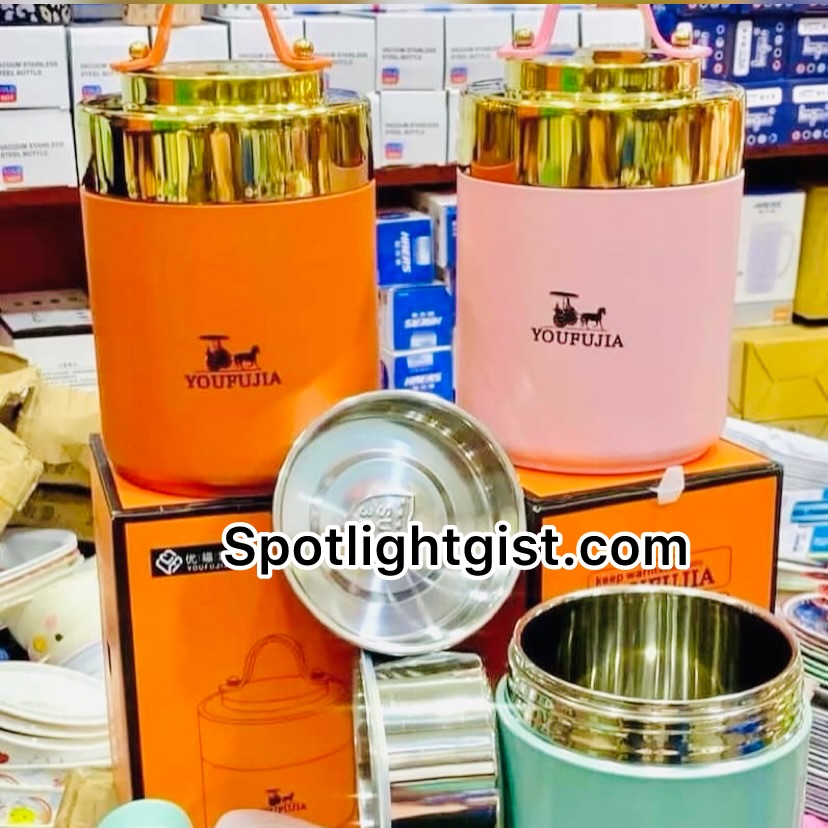
What if a simple household item like a food flask could become a small but reliable source of income in Nigeria?
Not crypto. Not forex. Not betting.
Just food flasks.
Across Nigeria, from Port Harcourt to Lagos and Onitsha, the demand for portable food storage continues to grow as people increasingly carry homemade meals to work, school, and travel.
This guide explains how individuals are building small retail businesses around food flasks in a practical, step-by-step way.
This is not a “get-rich-quick” idea. It is a realistic small business model that some Nigerians are already using to generate income depending on location, pricing, and consistency.
Background: Why Food Flask Business Is Growing in Nigeria
Nigeria’s economic environment has encouraged more people to rely on home-prepared meals due to rising living costs.
According to the National Bureau of Statistics (NBS), small and medium enterprises contribute significantly to Nigeria’s economy, highlighting the importance of everyday retail businesses.
📊 Source:
https://www.nigerianstat.gov.ng
Why demand is increasing:
• More workers carry homemade food to reduce daily expenses
• Students prefer affordable meal storage options
• Parents pack meals for children
• Food vendors use flasks for delivery and storage
• Growing awareness of cost-saving habits
In simple terms:
If people need to eat outside the home, food storage products remain relevant.
Struggles: Why Many People Ignore This Business
Many Nigerians tend to focus on trending opportunities such as:
• Digital trading
• Affiliate marketing
• POS business
• Mini importation
Meanwhile, smaller retail businesses are often overlooked because they appear less glamorous.
However, in reality:
Many stable micro-businesses are built from everyday essential products.
Common challenges include:
• Lack of startup capital confidence
• Fear of low profit margins
• Preference for “online-only” income ideas
• Misunderstanding of retail consistency
Real-Life Market Insight
A young woman in Port Harcourt reportedly started selling food flasks with limited capital through WhatsApp and roadside display.
Instead of focusing on scale immediately, she tested demand with small stock, then expanded gradually into complementary items like lunch bags and water bottles.
Her growth came from consistency and reinvestment, not overnight success.
Profit Reality (Balanced & Realistic View)
Estimated Cost Price:
• ₦2,500 – ₦6,000 per unit (quality varies)
Selling Price:
• ₦4,000 – ₦10,000+
Estimated Profit Range:
• ₦1,500 – ₦4,000 per unit
Important Note (Compliance Safe Statement):
Some sellers report estimated monthly returns depending on location, pricing strategy, and consistency of sales, rather than fixed income guarantees.
Step-by-Step Guide to Start
- Conduct Basic Market Research
Understand:
• What sizes are in demand
• Preferred colors and designs
• Local purchasing behavior
Visit markets or observe online sellers.
- Find Reliable Suppliers
Common sourcing locations:
• Lagos (Balogun Market, Trade Fair)
• Aba markets
• Onitsha Main Market
Check:
• Product durability
• Heat retention ability
• Lid quality
- Start Small
Begin with:
• 10–30 units
• Mixed sizes
• Different price ranges
Test demand before scaling.
- Branding & Presentation
Simple improvements can increase value:
• Clean packaging
• Basic labeling or branding stickers
• Good product photos for online sales
- Sales Channels
Offline:
• Market stalls
• School environments
• Street displays
Online:
• WhatsApp status
• Facebook Marketplace
• Instagram pages
- Pricing Strategy
Focus on:
• Value over cheapest price
• Small discounts for bulk buyers
• Consistent pricing structure
- Add Related Products
To increase sales:
• Lunch bags
• Water bottles
• Food warmers
This increases customer purchase value.
Scaling Strategy
Once demand grows:
Advanced Growth Strategies for Food Flask Business in Nigeria (2026 Expansion Guide)
Once you have successfully started your food flask business and validated that customers are buying consistently, the next step is not just selling but building a sustainable and scalable retail system.
Many small business owners in Nigeria remain stuck at the same income level because they never move beyond basic selling. This section explains how to grow from a small starter business into a structured income stream.
- Build a Repeat Customer System
One of the most powerful ways to grow a food flask business is through repeat customers.
Instead of always chasing new buyers, focus on:
• Customers who buy for families
• Office workers who need multiple units
• Parents buying for school children
• Food vendors who need bulk supply
Simple strategy:
• Collect customer contacts (WhatsApp preferred)
• Send weekly product updates
• Offer small discounts for repeat purchases
Repeat customers reduce advertising cost and increase stable sales flow over time.
- Introduce Tiered Product Options
Not all customers have the same budget. A smart seller understands this and introduces different product tiers:
Budget Tier:
• Simple plastic or basic stainless flasks
• Affordable pricing for mass buyers
Mid Tier:
• Better heat retention
• Stronger materials and designs
Premium Tier:
• Stainless steel insulated flasks
• Stylish designs for working-class buyers
This structure allows you to serve multiple income groups in Nigeria, increasing your total sales opportunities without changing your business model.
- Track Your Sales Like a Real Business
Many small traders fail because they do not track performance.
To grow, you should monitor:
• Daily sales volume
• Profit per item
• Most popular flask types
• Fast-moving colors and sizes
Why this matters:
Tracking helps you avoid buying slow-moving stock and increases your profit efficiency over time.
Even a simple notebook or Excel sheet can help you identify:
what sells best and what does not.
- Use Social Media as a Free Marketing Tool
In 2026, social media is one of the cheapest ways to grow a small retail business in Nigeria.
Focus on:
• WhatsApp Status updates daily
• Facebook Marketplace listings
• Short product videos on Instagram or TikTok
Content ideas:
• “Available today stock”
• “New arrival food flasks”
• “Customer order packing videos”
• “Before and after heat retention tests”
Consistency is more important than perfection.
Even simple phone pictures can generate sales if posted regularly.
- Transition from Reseller to Mini Brand
Most sellers stay at the reseller level forever. However, you can grow into a small brand identity.
Steps include:
• Naming your business (e.g., “SmartFlask Nigeria”)
• Adding logo stickers to packaging
• Using consistent colors in packaging
• Offering customer service via WhatsApp Business
This helps you stand out in a crowded market and builds trust with customers.
- Bulk Sales Strategy (Hidden Growth Opportunity)
One of the fastest ways to increase income is through bulk buyers.
Target:
• Schools
• Office managers
• Food vendors
• Event planners
Why bulk sales matter:
Instead of selling 1 unit per customer, you can sell 10–50 units at once.
Even with slightly lower profit per item, your total earnings increase significantly due to volume.
- Risk Management for Beginners
Every business has risks, and food flask business is no exception.
Common risks include:
• Slow-moving stock
• Supplier inconsistency
• Price fluctuations
• Customer complaints about quality
How to manage risk:
• Always test a sample before buying bulk stock
• Maintain at least 2–3 suppliers
• Avoid overstocking unpopular designs
• Keep part of your capital for restocking flexibility
Risk control is what separates struggling sellers from stable business owners.
- Long-Term Vision: Where This Business Can Lead
If managed properly, food flask business can evolve into:
• Household kitchenware store
• Online retail brand
• Wholesale distribution business
• Multi-product lifestyle store
Many successful Nigerian retailers started from small everyday items before expanding into larger product categories.
The key is consistency, reinvestment, and understanding customer demand patterns.
Final Insight
The food flask business may look simple on the surface, but it is part of a much larger truth in Nigerian entrepreneurship:
Everyday essential products often create the most stable income streams.
While many people chase complex or trending business ideas, real financial growth often comes from solving basic daily needs.
If you treat this business seriously, track your progress, and reinvest wisely, it can grow from a small side hustle into a reliable source of income over time.
•   Increase inventory volume
•   Supply retailers
•   Build a brand identity
•   Open a small physical shop
Common Mistakes to Avoid
• Buying low-quality flasks
• Ignoring customer feedback
• Overpricing without market understanding
• Not maintaining consistent supply
• Neglecting online visibility
Trust & Authority Section (E-E-A-T)
This guide is based on general market observations and small business patterns in Nigeria, supported by SME economic reports.
External References:
• National Bureau of Statistics (NBS): https://www.nigerianstat.gov.ng
• Small and Medium Enterprises Development Agency of Nigeria (SMEDAN): https://www.smedan.gov.ng
About the Author
Written by Spotlightgist Editorial Team
We publish research-based content on small businesses, entrepreneurship trends, and practical income opportunities across Africa. Our goal is to provide clear, realistic, and actionable guides for everyday entrepreneurs.
Frequently Asked Questions (FAQ)
Q1: How much do I need to start a food flask business in Nigeria?
You can start with a small amount depending on supplier pricing and quantity. Many beginners start small to test demand before scaling.
Q2: Is food flask business profitable in 2026?
Yes, it can be profitable depending on location, pricing strategy, and consistency of sales, as it is an essential household product.
Q3: Where can I buy cheap food flasks in Nigeria?
Popular sourcing locations include Lagos (Balogun Market, Trade Fair), Aba, and Onitsha markets.
Q4: Do I need a shop to start?
No. Many sellers start online using WhatsApp, Facebook Marketplace, or small roadside setups.
Final Conclusion
The food flask business is not a hype-driven opportunity, but a simple retail model based on everyday demand.
It may not deliver instant wealth, but it offers a structured path for gradual business growth when handled with consistency and good product quality.
The key success factor is not speed, but sustainability.
Disclaimer
This article is for educational purposes only. Income and business results vary based on effort, market conditions, location, and strategy. Readers are encouraged to conduct independent research before starting any business.